
Mary Jane shoes represent one of the most enduring and versatile footwear styles in fashion history. With their distinctive strap across the instep and rounded toe, these shoes have transcended generations, evolving from children’s footwear to a sophisticated staple in adult wardrobes worldwide. Whether you’re a fashion enthusiast seeking to understand their appeal, a professional looking for comfortable yet elegant work shoes, or simply someone curious about this classic design, understanding the intricacies of Mary Jane shoes opens up a world of sartorial possibilities.
The term “Mary Jane” originally referred to a comic strip character named Buster Brown’s sister, who appeared in newspapers wearing this distinctive footwear style in the early 1900s. Since then, the name has become synonymous with any shoe featuring a strap across the instep, regardless of heel height, toe shape, or overall design aesthetic. This versatility is precisely what has allowed Mary Jane shoes to remain relevant for over a century, adapting to changing fashion trends while maintaining their core identity.
What makes these shoes particularly fascinating is their remarkable ability to bridge seemingly opposing fashion concepts. They can be simultaneously innocent and sophisticated, vintage and modern, practical and glamorous. A pair of flat Mary Jane shoes might evoke schoolgirl nostalgia, while a stiletto-heeled version in patent leather screams high-fashion elegance. This chameleon-like quality ensures that there’s a Mary Jane shoe for virtually every personal style, occasion, and comfort preference.
Throughout this comprehensive guide, we’ll explore every facet of Mary Jane shoes, from their historical origins and cultural significance to practical considerations like fit, comfort, and styling. We’ll examine how designers continue to reinvent this classic silhouette, discuss the psychology behind their enduring appeal, and provide expert insights to help you make informed decisions about incorporating them into your wardrobe. By the end, you’ll possess a thorough understanding of why these shoes have captured hearts and soles for generations.
The Fascinating History and Cultural Evolution of Mary Jane Shoes
The story of Mary Jane shoes begins in the early 20th century, though similar strap-fastened footwear existed for centuries before. Ancient Egyptians, Greeks, and Romans all wore variations of strapped sandals and shoes, but the specific design we recognize today emerged from a convergence of practical children’s footwear needs and pop culture influence. The Brown Shoe Company introduced the character Buster Brown and his sister Mary Jane in 1902, and when the character appeared on stage and later in film wearing the now-iconic strap shoes, a cultural phenomenon was born.
The initial association with children’s fashion gave these shoes a wholesome, innocent reputation that persisted for decades. Parents appreciated the secure strap that kept shoes on active children’s feet, while the comfortable design and durable construction made them practical for everyday wear. During the 1920s and 1930s, Mary Jane shoes became standard attire for young girls, often paired with white socks and dresses as part of a proper, polished appearance that reflected the social norms of the era.
The mid-20th century witnessed a significant transformation in the perception and design of Mary Jane shoes. As women entered the workforce in greater numbers during and after World War II, footwear needed to adapt to changing lifestyles. Designers began experimenting with heel heights, materials, and embellishments, transforming what had been primarily children’s footwear into sophisticated options for adult women. The 1950s and 1960s saw Mary Jane shoes become associated with teenage fashion and the emerging youth culture, worn by icons like Audrey Hepburn and Jackie Kennedy, who lent their considerable style influence to the silhouette.
The cultural significance of Mary Jane shoes extends beyond mere fashion trends. They became symbols of different eras and movements, from the innocent femininity of the 1950s to the rebellious schoolgirl aesthetic adopted by punk and grunge movements in later decades. In Japan, Mary Jane shoes became central to the Lolita fashion subculture, where they’re worn with elaborate dresses and accessories to create a doll-like aesthetic. This cross-cultural adoption demonstrates the remarkable adaptability of the design and its ability to signify different meanings across different contexts.
Contemporary fashion has fully embraced Mary Jane shoes as a versatile staple rather than a niche style. Luxury brands like Chanel, Gucci, and Prada regularly feature them in collections, while contemporary designers continue to push creative boundaries with innovative interpretations. The rise of vintage fashion and sustainable style has also benefited Mary Jane shoes, as their classic design transcends trends and encourages investment in quality pieces that remain stylish for years. Today, wearing Mary Jane shoes can signal fashion awareness, appreciation for timeless design, or simply a preference for comfortable, secure footwear that looks polished.
Understanding the Anatomy and Design Elements of Mary Jane Shoes
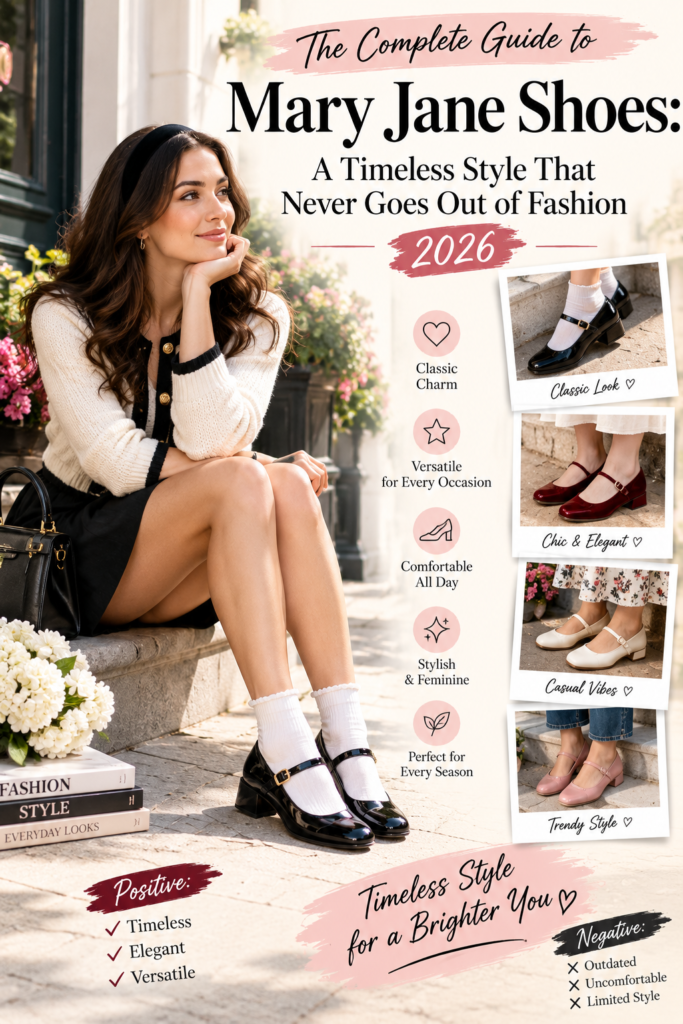
A true Mary Jane shoe is defined by specific design characteristics that distinguish it from other strap-fastened footwear. The essential feature is the strap, typically one or more bands crossing the instep and fastening with a buckle, button, Velcro, or elastic. This strap serves both functional and aesthetic purposes, providing security to the foot while creating a distinctive visual line that draws attention to the instep. The placement, width, and style of the strap significantly influence the overall look and feel of the shoe.
Toe shapes in Mary Jane shoes vary considerably, from classic rounded toes that evoke vintage charm to modern pointed toes that convey sophistication and elongate the leg. Square toes offer a contemporary, fashion-forward alternative, while almond toes provide a balanced middle ground. The toe shape dramatically affects the shoe’s personality and how it pairs with different outfits. A rounded toe feels more casual and youthful, while a pointed toe reads as more formal and elegant, making it suitable for professional settings or evening events.
Heel height represents another crucial design variable that transforms the character of Mary Jane shoes. Flat versions, often called ballet flats with straps, prioritize comfort and practicality, making them ideal for extended wear. Mid-heels, typically ranging from one to three inches, offer a compromise between comfort and elevation, suitable for office environments and social occasions. High heels, particularly stilettos and block heels, create dramatic, sophisticated looks perfect for formal events or when you want to make a fashion statement. The heel type also matters, with block heels providing stability, kitten heels offering subtle lift, and stilettos delivering maximum glamour.
Material choices in Mary Jane shoes span an impressive range, each bringing distinct aesthetic and practical qualities. Leather, whether smooth, grained, or patent, offers durability, breathability, and a polished appearance that improves with age. Suede provides a softer, more luxurious texture but requires more careful maintenance. Fabric options like velvet, satin, and canvas offer versatility for different seasons and occasions, with velvet lending itself to elegant evening wear and canvas suiting casual summer styles. Synthetic materials provide affordable alternatives that can mimic the look of premium materials while offering easy care.
Additional design elements can dramatically customize Mary Jane shoes to suit individual preferences. Embellishments like bows, studs, crystals, or buckles add personality and can shift the shoe’s aesthetic from minimal to maximalist. Cutout details, whether geometric or floral, add visual interest and breathability. Platform soles create height while maintaining comfort, while contrasting colors on straps or toes create striking visual effects. Understanding these design elements empowers you to identify exactly what style of Mary Jane shoe will best suit your needs and preferences.
Why Mary Jane Shoes Remain a Fashion Essential Across Generations
The enduring popularity of Mary Jane shoes rests on their remarkable ability to satisfy both aesthetic desires and practical requirements simultaneously. Few footwear styles manage this balance as successfully, which explains why they’ve remained in production and demand for over a century. Understanding why these shoes continue to resonate with wearers across generations reveals important insights about fashion, function, and the psychology of personal style.
From a practical standpoint, the strap across the instep provides security that slip-on shoes simply cannot match. This security makes Mary Jane shoes particularly appealing to those who walk frequently, whether for commuting, travel, or daily errands. The strap prevents the heel from slipping, reducing the risk of blisters and discomfort that often plague wearers of traditional pumps or flats. For people with narrower heels or those who struggle to find shoes that stay properly positioned, Mary Jane shoes offer a reliable solution that combines style with functionality.
The versatility of Mary Jane shoes makes them appropriate for virtually any occasion, which represents significant value in a footwear wardrobe. A single pair can transition from professional settings to casual outings to evening events, depending on the specific design and how it’s styled. This adaptability means wearers can invest in quality pieces that serve multiple purposes rather than purchasing numerous specialized shoes that each serve limited functions. In an era of increasing focus on sustainable fashion and capsule wardrobes, this versatility becomes even more valuable.
Psychologically, Mary Jane shoes tap into positive associations that enhance their appeal. For many, they evoke nostalgic memories of childhood, representing simpler times and innocent pleasures. This nostalgia creates an emotional connection that transcends mere fashion preference. Simultaneously, the sophisticated versions worn by style icons and featured in high fashion create aspirational appeal, suggesting that wearing Mary Jane shoes connects the wearer to a legacy of elegance and taste. This dual nature allows the same basic design to appeal to vastly different demographics.
The fashion industry’s ongoing reinvention of Mary Jane shoes ensures their continued relevance. Designers consistently find new ways to interpret the classic silhouette, introducing innovative materials, unexpected color combinations, and novel embellishments that keep the style fresh. Each generation discovers Mary Jane shoes anew, bringing their own cultural context and style sensibilities to how they wear them. This cycle of reinvention prevents the style from becoming dated, instead allowing it to evolve while maintaining its essential character.
Types of Mary Jane Shoes for Different Needs and Occasions
The category of Mary Jane shoes encompasses a surprisingly diverse range of styles, each suited to different purposes and preferences. Understanding these variations helps consumers make informed choices that align with their lifestyle, comfort requirements, and aesthetic goals. From practical everyday options to statement pieces for special occasions, there’s a Mary Jane shoe for virtually every need.
Classic flat Mary Jane shoes represent the most traditional and versatile category. These feature minimal or no heel, a rounded or slightly almond toe, and a simple strap, often with a buckle closure. They’re ideal for everyday wear, particularly for those who spend significant time on their feet. Teachers, nurses, retail workers, and others in professions requiring constant standing and walking often gravitate toward flat Mary Jane shoes for their combination of comfort and professional appearance. The flat sole distributes weight evenly and reduces strain on the feet and lower back compared to elevated shoes.
Heeled Mary Jane shoes transform the style into something decidedly more sophisticated. Kitten heels, typically one to two inches high, offer subtle elevation while maintaining comfort for extended wear, making them excellent choices for office environments. Block heels, generally two to three inches, provide stability along with height, suitable for both professional and social settings. Stiletto and high-heeled versions, often three inches or taller, create dramatic, elegant looks appropriate for formal events, date nights, or when the occasion calls for maximum glamour.
Platform Mary Jane shoes combine the security of the strap with substantial height achieved through a thick sole rather than a traditional heel. This design distributes the height across the entire foot, often making platforms more comfortable than equivalent-height heels. Platform Mary Janes appeal to those who want height without the instability of stilettos, and they’ve become associated with certain fashion subcultures, including Japanese street fashion and alternative styles.
Sporty and casual Mary Jane shoes represent a more recent evolution, incorporating athletic shoe elements like rubber soles, cushioned insoles, and sporty materials. These versions prioritize comfort and practicality, often featuring Velcro straps or elastic closures for easy on and off. They’re popular for casual wear, travel, and situations where comfort is the primary consideration but wearers still want the secure fit that Mary Jane styling provides.
Seasonal variations in Mary Jane shoes address different weather and temperature requirements. Summer versions often feature open toes, perforated leather, or breathable fabrics that keep feet cool. Winter versions might incorporate fur lining, weather-resistant materials, and traction-enhancing soles. Transitional styles in suede or smooth leather work well across multiple seasons, making them smart investments for year-round wear.
How to Choose the Perfect Pair of Mary Jane Shoes for Your Lifestyle
Selecting the right Mary Jane shoes requires careful consideration of multiple factors, from fit and comfort to style and durability. Making an informed choice ensures that your investment delivers satisfaction over years of wear rather than becoming an uncomfortable addition to the back of your closet. Understanding what to look for when shopping can dramatically improve your satisfaction with your purchase.
Fit is the foundation of comfortable Mary Jane shoes, and it deserves significant attention during the selection process. The shoe should accommodate your foot’s length and width without pinching or allowing excessive movement. The strap should be adjustable to accommodate different instep heights; what fits perfectly on one person may be too tight or loose on another with different foot proportions. When trying on shoes, do so later in the day when feet tend to be slightly swollen, as this approximates how they’ll feel after hours of wear. Walk around on different surfaces to assess how the shoes feel during actual movement, not just standing.
Heel height selection should align with both your comfort level and intended use. If you’ll be wearing the shoes for extended periods, standing, or walking significant distances, lower heels or flats are more appropriate. Save higher heels for occasions where sitting is more common or when you won’t need to walk far. Consider your experience with different heel heights; if you rarely wear stilettos, opting for a block heel or kitten heel in your Mary Jane shoes will likely result in greater comfort and confidence.
Material selection affects both appearance and functionality. Leather Mary Jane shoes, whether full-grain, corrected-grain, or patent, offer durability, breathability, and the ability to mold to your feet over time. They typically cost more but deliver better value through longevity. Suede provides a softer aesthetic but requires protection against moisture and more careful maintenance. Synthetic materials offer affordability but may not breathe as well and can show wear more quickly. Consider how often you’ll wear the shoes and in what conditions before deciding on materials.
Color and design should complement your existing wardrobe while reflecting your personal style. Classic colors like black, navy, and brown offer maximum versatility and pair easily with most outfits. Neutral metallics like gold and silver work as sophisticated neutrals while adding visual interest. Bold colors and patterns can serve as statement pieces but require more thoughtful styling. Consider whether you want your Mary Jane shoes to blend seamlessly into your wardrobe or stand out as focal points.
Comfort features like cushioned insoles, arch support, and flexible soles can significantly enhance wearability, particularly for extended use. Some brands specialize in comfort-focused designs that incorporate orthopedic principles without sacrificing style. If you have specific foot concerns like plantar fasciitis, bunions, or high arches, looking for Mary Jane shoes with appropriate support features becomes even more important.
Styling Mary Jane Shoes for Modern Fashion
Mary Jane shoes offer remarkable styling flexibility, working across aesthetic preferences from classic and preppy to edgy and avant-garde. The key to successful styling lies in understanding how the specific characteristics of your Mary Jane shoes interact with other elements of your outfit to create a cohesive look.
For professional environments, Mary Jane shoes in neutral leather with moderate heels create polished, appropriate looks that convey competence and attention to detail. Pair them with tailored trousers, pencil skirts, or professional dresses for a complete office-appropriate ensemble. The strap detail adds visual interest without compromising professionalism, distinguishing Mary Jane shoes from more basic pumps or flats. Choosing a slightly pointed toe in a dark neutral color maximizes the sophisticated effect.
Casual styling opens up more playful possibilities. Flat Mary Jane shoes paired with jeans, whether skinny, straight, or boyfriend style, create an effortless everyday look. Add a sweater and simple jewelry for a complete outfit that balances comfort with style. For warmer weather, Mary Jane shoes work beautifully with sundresses, shorts, and skirts, providing more security than sandals while remaining breezy and light.
Evening and special occasion styling allows for maximum glamour. High-heeled Mary Jane shoes in luxurious materials like velvet, satin, or patent leather can anchor elegant ensembles for parties, weddings, and formal events. Metallic finishes, crystal embellishments, and bold colors make striking statements. The strap detail adds a touch of vintage-inspired glamour that distinguishes Mary Jane shoes from conventional evening footwear.
Seasonal styling considerations help maximize the versatility of your Mary Jane shoes throughout the year. In spring, pair pastel-colored Mary Janes with light dresses and cropped pants. Summer welcomes breathable materials and open-toe designs with flowing fabrics and bright colors. Fall transitions call for richer tones, suede textures, and layering with tights or socks. Winter styling can incorporate weather-resistant materials, darker colors, and cozy elements like cashmere socks for warmth and style.
The styling possibilities extend to how you wear your Mary Jane shoes with socks and tights, a choice that significantly influences the overall aesthetic. Bare feet create a clean, minimalist look. Sheer tights add polish and warmth while maintaining elegance. Opaque tights in matching or contrasting colors create more dramatic effects. Ankle socks can add a preppy or retro touch, while patterned socks make bold fashion statements. Each choice communicates different style messages and suits different occasions.
Comfort and Functionality: The Practical Benefits of Mary Jane Shoes
Beyond their undeniable style credentials, Mary Jane shoes offer practical advantages that make them a smart choice for many wearers. Understanding these functional benefits helps explain why these shoes maintain such devoted followings across diverse demographics and use cases.
The secure strap closure provides stability that prevents the foot from sliding forward, a common issue with traditional pumps that can cause toe discomfort and blisters. This security particularly benefits those with narrow heels who struggle to keep conventional shoes properly positioned. The strap also allows for easy adjustment to accommodate different instep heights and foot widths, making Mary Jane shoes adaptable to a wider range of foot shapes than slip-on styles.
For people who need to move frequently between different environments or activities, Mary Jane shoes offer convenience and versatility. They’re substantial enough for walking and standing but refined enough for professional and social settings. This adaptability eliminates the need to change shoes multiple times throughout the day, simplifying routines and reducing the number of shoes needed in a wardrobe.
The range of heel heights available means that Mary Jane shoes can accommodate virtually any comfort preference or physical requirement. Those who cannot or prefer not to wear heels have abundant flat and low-heel options. Those who enjoy height can choose from kitten heels to dramatic platforms. This inclusivity ensures that the Mary Jane silhouette remains accessible regardless of physical limitations or comfort needs.
For individuals with specific foot concerns, Mary Jane shoes often provide better solutions than alternative styles. The strap helps secure orthotic inserts, making it easier to wear prescribed foot supports. The coverage of the foot protects against environmental elements better than sandals while remaining more breathable than boots. The rounded toe boxes common in many Mary Jane designs accommodate wider feet and bunions more comfortably than pointed styles.
The Investment Value of Quality Mary Jane Shoes
Viewing Mary Jane shoes as an investment rather than a disposable purchase reveals their exceptional value proposition. Quality examples of these shoes typically deliver years of regular wear, making their cost-per-wear ratio remarkably favorable compared to trend-driven footwear that falls out of style or deteriorates quickly.
Well-constructed Mary Jane shoes from reputable brands often feature premium materials and construction techniques that ensure longevity. Full-grain leather uppers develop attractive patinas over time while maintaining structural integrity. Leather linings manage moisture and conform to the foot’s shape for personalized comfort. Quality soles, whether leather, rubber, or composite, provide durable traction and can be replaced by cobblers when worn. These features mean that a quality pair of Mary Jane shoes can remain wearable and stylish for a decade or more with proper care.
The timeless design of Mary Jane shoes protects against the depreciation that afflicts trend-driven footwear. While specific colors or extreme design variations might feel dated after a few seasons, classic Mary Jane styles in neutral colors remain perpetually appropriate. This resistance to obsolescence means that investment in quality Mary Jane shoes continues to pay dividends in usable wear rather than sitting unworn after trends shift.
Maintenance requirements for Mary Jane shoes are generally manageable and well worth the effort given their longevity. Regular cleaning, conditioning, and protection against moisture keep leather and suede looking their best. Storing shoes properly with shoe trees maintains their shape and absorbs moisture. Timely repairs to soles, heels, and straps prevent small issues from becoming major problems. These simple practices dramatically extend the useful life of quality Mary Jane shoes.
The cost-per-wear calculation strongly favors quality Mary Jane shoes for regular wearers. A pair costing two hundred dollars that’s worn twice weekly for three years delivers a cost-per-wear of approximately sixty-four cents. A cheaper pair costing fifty dollars that lasts only six months under similar wear costs nearly a dollar per wear while providing inferior comfort and appearance. When considering total value rather than initial price, quality Mary Jane shoes emerge as the economical choice.
Caring for Your Mary Jane Shoes to Ensure Longevity
Proper care significantly extends the life and appearance of Mary Jane shoes, protecting your investment and ensuring continued comfort. Different materials require different care approaches, but the fundamental principles of cleaning, protecting, and storing apply across all types.
Leather Mary Jane shoes benefit from regular conditioning to prevent drying and cracking. Use products appropriate for the specific leather type, as patent, smooth, and grained leathers have different requirements. Clean leather with a soft cloth and appropriate cleaner, then apply conditioner to maintain suppleness. Polish smooth leather to restore shine and provide a protective barrier. Allow shoes to dry naturally away from direct heat if they become wet, as forced drying can cause cracking and distortion.
Suede Mary Jane shoes require protection against moisture and staining. Apply suede protector spray before first wear and reapply periodically. Use a suede brush to remove surface dirt and restore nap. If suede becomes wet, allow it to dry naturally, then brush to restore texture. Stubborn stains may require professional cleaning to avoid damaging the delicate material.
Proper storage protects Mary Jane shoes from dust, moisture, and deformation. Use shoe trees, preferably cedar, to absorb moisture and maintain shape between wears. Store shoes in dust bags or boxes away from direct sunlight, which can fade colors and dry materials. Avoid storing shoes in damp environments where mold and mildew can develop.
Regular inspection helps catch potential problems before they become serious. Check straps and buckles for wear that might cause failure. Examine soles and heels for uneven wear that affects gait and comfort. Address loose stitching, worn sole edges, or damaged hardware promptly through professional repair. This proactive approach prevents small issues from requiring major repairs or replacement.
Frequently Asked Questions About Mary Jane Shoes
What exactly defines a Mary Jane shoe?
A Mary Jane shoe is defined primarily by the presence of one or more straps crossing the instep and fastening with a buckle, button, or other closure. Beyond this essential feature, Mary Jane shoes can vary enormously in heel height, toe shape, material, and overall design aesthetic. The term applies to both children’s and adult footwear, though adult versions have evolved to include sophisticated designs suitable for professional and formal occasions. The defining strap provides security and creates a distinctive visual element that distinguishes Mary Jane shoes from other strapped footwear like T-straps or ankle-strap styles.
Are Mary Jane shoes comfortable for all-day wear?
Comfort depends significantly on the specific design and your individual needs. Flat Mary Jane shoes with cushioned insoles can be extremely comfortable for extended wear, making them popular choices for professionals who spend hours on their feet. Heeled versions vary in comfort based on heel height, heel type, and overall construction quality. Block heels and kitten heels generally offer more comfort than stilettos for prolonged wear. The strap closure typically enhances comfort by preventing foot sliding and reducing pressure points. Choosing well-fitted shoes made from quality materials with appropriate heel heights for your activities maximizes comfort.
Can Mary Jane shoes be worn with socks or tights?
Absolutely, and the choice of hosiery dramatically affects the overall aesthetic. Bare feet create a clean, minimalist look appropriate for most occasions. Sheer tights add polish and are particularly suitable for professional settings. Opaque tights in coordinating or contrasting colors create more dramatic effects. Ankle socks add a preppy, retro touch. Patterned or colored socks make bold fashion statements. There’s no wrong answer; the best choice depends on your personal style, the occasion, and the overall outfit you’re creating.
What occasions are appropriate for Mary Jane shoes?
Mary Jane shoes suit virtually any occasion depending on the specific design. Flat and low-heeled versions work for casual everyday wear, errands, and relaxed social settings. Mid-heeled versions in classic colors are appropriate for professional environments, business casual settings, and daytime events. High-heeled versions in luxurious materials suit formal occasions, evening events, and special celebrations. The remarkable versatility of Mary Jane shoes means that with appropriate selection, you can wear them confidently for nearly any situation.
How do I determine the right size when buying Mary Jane shoes?
Buying the correct size involves considering length, width, and instep height. Have your feet measured professionally if possible, and try shoes on later in the day when feet are slightly swollen. Ensure there’s adequate room in the toe box without excessive sliding. Check that the strap can be adjusted to fit your instep comfortably without being too tight or too loose. Walk around to assess how the shoes feel during movement. Different brands may fit differently, so don’t assume your size in one brand translates directly to another. When ordering online, check return policies to ensure you can exchange if the fit isn’t right.
Conclusion
Mary Jane shoes stand as a testament to enduring design excellence, bridging over a century of fashion evolution while remaining perpetually relevant and desirable. From their origins as children’s footwear associated with a comic strip character to their current status as a versatile staple embraced by fashion icons and everyday wearers alike, these shoes have demonstrated remarkable adaptability without losing their essential character. The distinctive strap that defines Mary Jane shoes provides both practical security and aesthetic distinction, creating footwear that satisfies both form and function in equal measure.
The remarkable range of Mary Jane shoes available today ensures that there’s a perfect pair for virtually every wearer and occasion. From comfortable flats for daily wear to glamorous heels for special events, from classic leather to innovative modern materials, the category encompasses extraordinary diversity while maintaining recognizable identity. This versatility explains why Mary Jane shoes continue to attract new generations of wearers while retaining loyal fans who have appreciated them for decades.
Investing in quality Mary Jane shoes delivers exceptional value through years of comfortable, stylish wear. Their timeless design resists the obsolescence that plagues trend-driven footwear, while quality construction ensures durability that rewards proper care. Whether you’re building a professional wardrobe, seeking comfortable everyday shoes, or looking for distinctive pieces to express personal style, Mary Jane shoes offer solutions that satisfy practical needs while elevating your appearance.
The final insight worth carrying forward is that Mary Jane shoes represent more than mere footwear; they embody a philosophy of style that values both beauty and practicality, tradition and innovation, individual expression and timeless elegance. In a fashion landscape often dominated by fleeting trends and disposable products, Mary Jane shoes remind us that true style endures through quality, versatility, and thoughtful design.