The bob cut is far more than just a hairstyle; it is a cultural artifact, a statement of independence, and a versatile canvas for personal expression. For over a century, this iconic look has graced the heads of fashion icons, revolutionaries, and everyday individuals alike, constantly evolving while retaining its core identity. It is a timeless choice that offers a perfect balance of sophistication and modernity, making it a staple in the world of hair design. Its enduring popularity stems from its remarkable adaptability; it can be sharp and architectural, soft and romantic, edgy and punk, or polished and professional.
The Storied Evolution of the Bob Cut Through the Decades
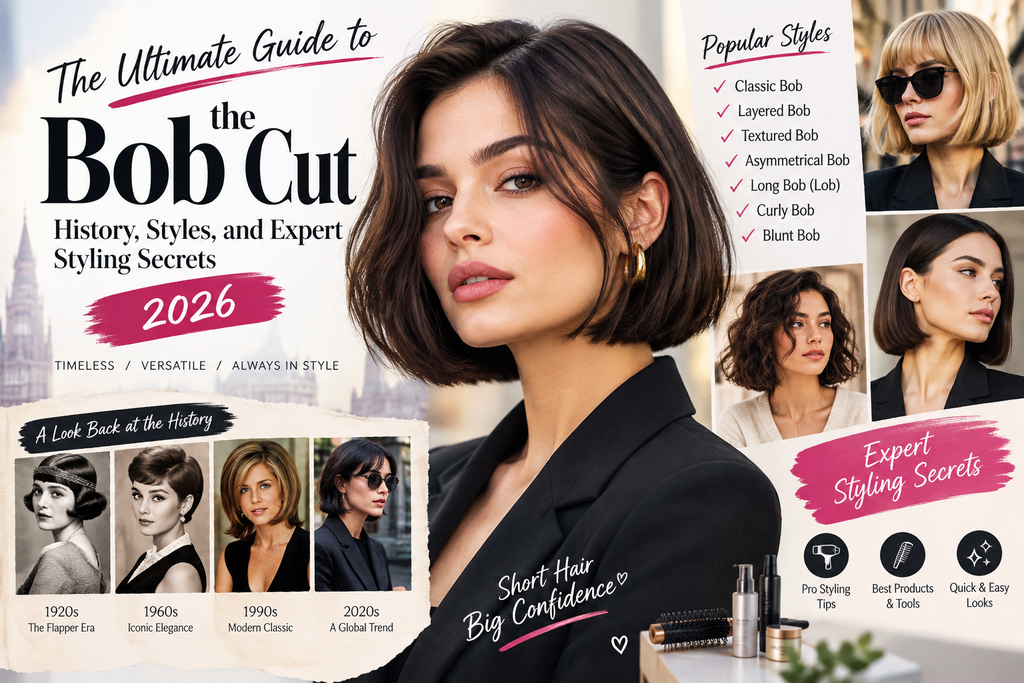
The journey of the bob cut from a rebellious statement to a mainstream classic is a fascinating tale of cultural shifts. In the 1930s, the style softened with the “Pageboy,” a longer, curled-under version that was more demure but still chic. The 1950s saw a resurgence of the short, sharp bob, popularized by actresses like Audrey Hepburn, whose “gamine” look in Roman Holiday made the style a symbol of playful elegance. The 1960s brought another revolution with Vidal Sassoon’s “Five-Point Cut,” a precise, geometric bob that was designed to be wash-and-wear, freeing women from the tyranny of weekly salon visits and hair rollers. This was a defining moment for the bob, merging high fashion with everyday practicality.
Decoding the Different Variations of the Bob Cut
The term “bob cut” is an umbrella for a vast and diverse family of hairstyles. Understanding the distinctions between these variations is crucial for both clients and stylists to achieve the desired look. Each version is defined by its specific length, the angle of the cut, the presence of layers, and the finishing technique. A common misconception is that a bob is a one-size-fits-all style; in reality, the subtle differences are what make it perfectly suited to an individual’s hair texture, face shape, and personal aesthetic. From the blunt and bold to the soft and textured, the world of bobs is rich with possibilities.
For those who prefer a softer, more romantic feel, the layered bob is an excellent choice. Layers are added throughout the cut to remove weight, create movement, and add texture. This variation is incredibly versatile and can be adapted for almost any hair type. Similarly, the inverted bob is a more dramatic take on the A-line, with a very sharp angle from a short back to a longer front.
| Bob Variation | Key Characteristics | Best For | Styling Effort |
|---|---|---|---|
| Blunt Bob | One-length cut, sharp perimeter, no layers. | Straight, medium-to-thick hair; Oval, heart, and long face shapes. | Moderate; requires regular trims and sleek styling. |
| A-Line / Graduated Bob | Shorter at the back, stacked, angled longer in front. | Most hair types; Round and square face shapes (adds length). | Moderate; can be styled sleek or with volume at the back. |
| Lob (Long Bob) | A bob that falls between the chin and collarbone. | All hair types and face shapes. Extremely versatile. | Low to Moderate; easy to style in various ways. |
| Layered / Textured Bob | Features layers for movement, volume, and texture. | Fine to thick hair; Softens strong jawlines and round faces. | Low; often designed for a wash-and-wear, tousled look. |
| Inverted Bob | A more dramatic A-line with a very short back. | Straight to slightly wavy hair; Oblong and oval faces. | Moderate; requires styling to maintain the sharp angle. |
| Shaggy Bob | Choppy, uneven layers, often with bangs. A mix of bob and shag. | Wavy, curly, and straight hair; Adds edge to any look. | Low; looks best with a messy, air-dried finish. |
The Art of Matching a Bob Cut to Your Face Shape and Hair Type
A successful bob cut is not just about following a trend; it’s about architecture for the face. The right cut can highlight your best features, create balance, and minimize perceived flaws. Conversely, the wrong one can do the opposite. The key lies in understanding your unique facial geometry and hair texture. The goal is to create a harmonious frame that draws the eye to your features. For instance
For those with a round face shape, the objective is to create angles and add length to make the face appear more oval. A great choice is an A-line or graduated bob that is shorter in the back and longer in the front. The diagonal lines created by this cut break up the roundness of the face. Adding volume at the crown also helps to elongate the face. A square face shape, characterized by a strong jawline and a broad forehead, benefits from a bob that softens the sharp angles. A layered bob with soft, sweeping bangs or a lob that hits at the collarbone can be very flattering. The softness of the layers will counteract the strong jawline.
Hair texture is the other critical factor. A blunt bob is a dream for those with fine, straight hair, as it creates the illusion of thickness and density. However, for those with thick, wavy, or curly hair, a blunt cut can create an unwanted “triangle” shape. For these textures, a layered bob is the superior choice. Layers remove weight and allow the natural curl or wave to spring up, creating a beautiful, rounded silhouette. For very curly hair, a “curly bob” or “shag” is a fantastic option, where the cut is tailored to the curl pattern to create a shape that is both stylish and manageable. Bangs are another powerful tool.
A Stylist’s Secrets: How to Cut and Style a Bob Cut for a Flawless Finish
For those with a bob cut, the right products are non-negotiable. A lightweight volumizing mousse at the roots can prevent flatness, while a smoothing serum or oil can tame flyaways and add shine. For textured bobs, a matte paste or clay can add definition and separation. A good dry shampoo is also a must-have for refreshing the style between washes and adding grip at the roots. The final step for any professional finish is a light mist of flexible-hold hairspray to lock the style in place without making it stiff. Understanding these techniques and products empowers you to recreate that salon-fresh look at home.
The Modern Bob Cut: Trends, Celebrity Influence, and Cultural Impact
In the 21st century, the bob cut has transcended its role as a simple hairstyle to become a dynamic cultural signifier. Its presence on runways, red carpets, and social media is a constant, but its form is in a state of perpetual reinvention. Modern trends are characterized by a blend of nostalgia and innovation. We see nods to the 90s with the “Rachel” or the “power bob,” but with updated textures and finishes. The “French Girl Bob,” for instance, is a slightly messy, chin-length cut with soft, uneven bangs, embodying a certain effortless chic. The “Italian Bob” is a fuller, more voluminous, and glamorous version, often styled with deep side parts and bouncy curls.
Culturally, the bob cut continues to be a symbol of agency and self-expression. It is a choice that says the wearer is in control of their image. It challenges traditional notions of femininity that equate long hair with beauty, offering a bold and modern alternative. It is a style that is embraced by people of all genders, ages, and backgrounds, further solidifying its status as a truly universal and democratic hairstyle. Its ability to be both a classic and a trend, a statement and a staple, ensures its continued relevance in the ever-evolving landscape of fashion and beauty.
Maintaining Your Bob Cut: A Comprehensive Care Guide
A bob cut is a commitment, not just to a style, but to a maintenance routine. Because the cut is often precise, it requires frequent trims to maintain its shape. For short bobs, a trim every four to six weeks is typical, while longer lobs can go six to eight weeks. This regular salon visit is non-negotiable if you want to keep the style looking sharp and intentional. Between visits, a healthy hair care regimen is essential. This includes using a sulfate-free shampoo and a moisturizing conditioner to keep the hair strong and shiny. Regular deep conditioning treatments can help repair damage and prevent split ends, which are more visible on shorter cuts.
Heat styling is often a part of a bob cut routine, but it must be done responsibly. Always use a heat protectant spray before using a blow dryer, flat iron, or curling wand. Opt for tools with adjustable temperature settings and use the lowest effective heat. For those with a textured or curly bob, a diffuser attachment on a blow dryer is a better choice than a standard nozzle, as it distributes heat more gently and enhances natural curl patterns. Regular trims are also the best defense against split ends. If you are growing out a bob, regular trims are still important to keep the ends healthy as the hair grows, preventing a “mullet” effect.
The tools you use matter. A boar-bristle brush is excellent for distributing natural oils from the scalp to the ends, adding shine and smoothness. A wide-tooth comb is best for detangling wet hair without causing breakage. For styling, a quality round brush, a flat iron, and a curling iron are the foundational tools. Finally, protecting your hair while you sleep can make a difference. Sleeping on a silk or satin pillowcase reduces friction, which can cause frizz and breakage, helping your bob cut maintain its sleekness and shape for longer.
Frequently Asked Questions About the Bob Cut
What is the difference between a bob and a lob?
A bob is a haircut that typically falls between the chin and the shoulders. A lob, which stands for “long bob,” is a variation that is longer, usually hitting the collarbone or just below it. The lob offers more versatility for styling, such as pulling it into a small ponytail, while a classic bob is a more defined, shorter shape. Both are part of the same style family, but the lob is a more cautious option for those hesitant to go very short.
Can a bob cut work for curly or wavy hair?
Absolutely. A bob cut is incredibly flattering on curly and wavy hair, but the technique is different from cutting straight hair. For curly hair, it is best to cut the hair in its dry, natural state to see how the curls fall. A stylist will use a technique called “carving” or “point-cutting” to create a rounded shape without adding bulk. A layered or shaggy bob is often the best choice for curls, as it allows the hair to spring up and form a beautiful, balanced silhouette.
How often do I need to get a bob cut trimmed?
To maintain the shape and precision of a bob cut, regular trims are essential. For a short, blunt bob, you should visit the salon every four to six weeks. For a longer bob or lob, you can extend that to every six to eight weeks. Regular trims prevent split ends from traveling up the hair shaft and keep the perimeter of the cut sharp and clean.
What is the best way to style a bob cut for a special occasion?
For a special occasion, a bob cut can be styled in numerous elegant ways. You can create a sleek, polished look with a deep side part and pin one side back with a decorative clip. Or, you can use a curling iron to create soft, romantic waves throughout. A textured, messy-chic look can be achieved with a texturizing spray and a bit of backcombing at the crown. The key is to work with the natural texture of your hair and use products that provide hold without stiffness.
Is a bob cut a good choice for fine hair?
Yes, a bob cut is an excellent choice for fine hair, provided it is cut correctly. A blunt bob is particularly effective because it creates a single, solid line that makes the hair appear thicker and more dense. Avoid excessive layering, which can make fine hair look stringy. A bob that is cut to one length, perhaps with a slight A-line, can create the illusion of volume and a fuller-looking head of hair. Using volumizing products at the roots will also help to maximize the effect.
Conclusion: The Enduring Power of the Bob Cut
Embracing a bob cut is an empowering decision. It is a style that demands confidence and rewards the wearer with a look that is both timeless and effortlessly cool. The key takeaway is that the perfect bob is a collaboration between a skilled stylist and an informed client. By understanding the nuances of the cut, the importance of face shape and texture, and the commitment to maintenance, you can ensure that your bob is not just a hairstyle, but a signature look that you will love for years to come. The bob is not just a trend; it is a legacy, and its story is far from over.