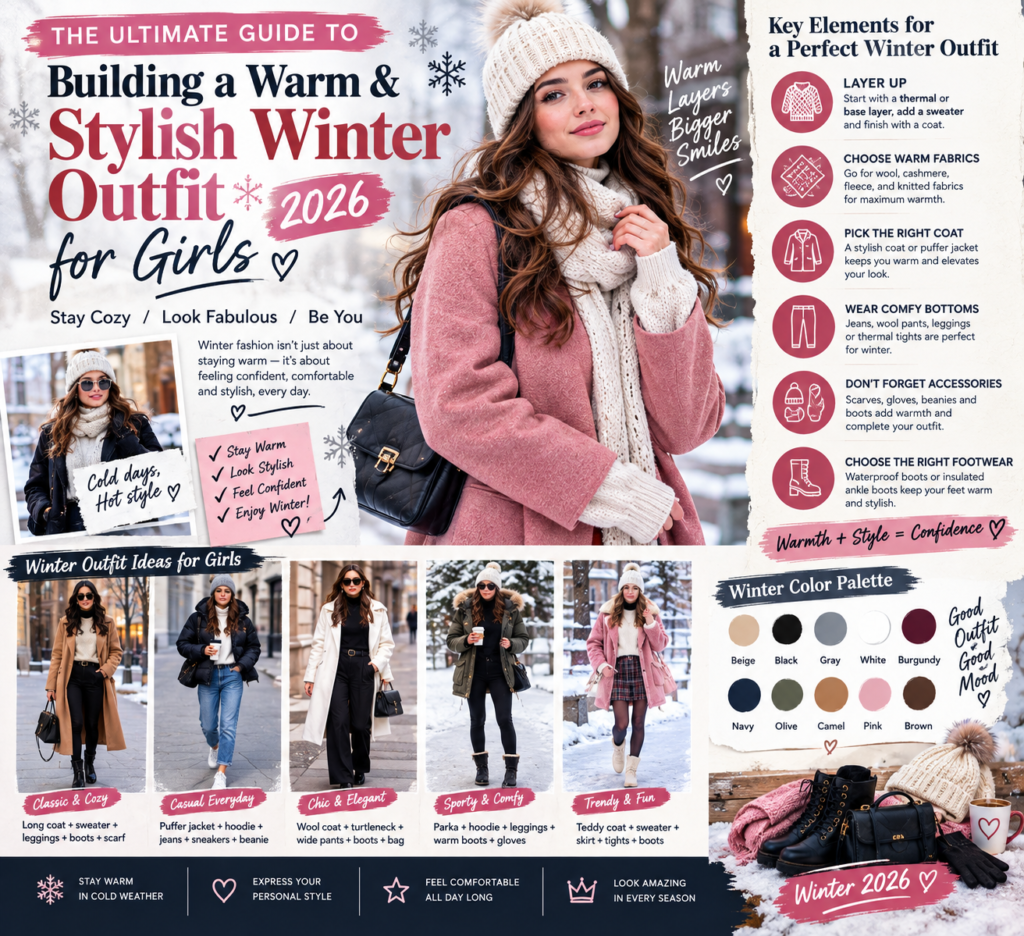

Winter dressing for girls is a balancing act that every parent, guardian, or caregiver knows all too well. You want her to be warm enough to enjoy the season without feeling like a marshmallow, and stylish enough to feel confident without sacrificing comfort. A thoughtfully assembled winter outfit for girls solves both problems at once, turning the daily bundling battle into a seamless part of the morning routine. The key isn’t just buying the thickest coat or the trendiest boots; it’s understanding how fabrics, layers, and fit work together to create a system that actually functions in real-world conditions.
The approach to dressing girls for cold weather has evolved significantly. Gone are the days when warmth meant bulky, restrictive snowsuits that made movement impossible. Modern textiles and smart design have made it entirely possible to achieve optimal insulation without the marshmallow effect. Whether she’s waiting for the school bus on a frosty morning, building snow forts in the backyard, or simply navigating a chilly classroom, the right combination of base layers, mid-layers, and outerwear makes all the difference. This guide breaks down every component of a successful cold-weather wardrobe, from fabric science to practical outfit formulas that work for school days, weekend adventures, and everything in between.
The Science of Layering: Building the Foundation
Layering is the single most important concept in winter dressing, and understanding why it works transforms the way you shop and pack for cold weather. The principle is straightforward: instead of relying on one heavy garment to do all the work, you create a system of multiple thinner layers that trap warm air between them. This trapped air acts as insulation, and because you can add or remove layers as conditions change, the system is far more adaptable than a single bulky coat. For girls who transition between heated classrooms, chilly playgrounds, and the backseat of a car, this flexibility is invaluable.
The standard three-layer system consists of a base layer, a mid-layer, and an outer layer, each with a specific job. The base layer sits directly against the skin and manages moisture, wicking sweat away to keep her dry. The mid-layer provides insulation and traps body heat. The outer layer blocks wind, rain, and snow while allowing some breathability so moisture doesn’t get trapped inside. A common mistake parents make is skipping the base layer entirely and relying solely on a thick coat. Without moisture management, sweat from active play can leave a child feeling damp and cold even inside a heavy jacket. A good rule of thumb for young children is to dress them in one more layer than an adult would wear in the same conditions, though this should always be adapted based on the individual child and the specific environment .
Choosing the Right Fabrics for Winter Warmth
Fabric selection is where many winter wardrobes either succeed brilliantly or fall apart. Not all warm-sounding materials perform equally, and some fabrics that feel cozy in the store actually work against warmth by trapping sweat against the skin. Cotton, for example, is soft and breathable, making it wonderful for indoor wear and base layers in mild conditions . However, when cotton gets wet—whether from sweat or snow—it loses its insulating properties and actually draws heat away from the body. This is why cotton is a poor choice for a base layer during active outdoor play. Instead, look for moisture-wicking synthetics, merino wool, or fleece blends that pull sweat away from the skin and keep her dry .
Fleece has become a staple of children’s winter wear for good reason. It’s lightweight, dries quickly, and provides excellent warmth without the bulk of traditional wool. A fleece pullover or jacket makes an ideal mid-layer because it traps heat efficiently while still allowing some breathability . For the outer layer, look for fabrics that offer wind and water resistance. Quilted and padded materials are excellent for blocking cold winds while remaining lightweight enough for movement . Down insulation, whether natural or synthetic, offers exceptional warmth-to-weight ratio and is often treated to remain warm even when damp . For girls with sensitive skin, softer wool blends like merino are worth the investment, as they provide natural insulation without the itchiness that can make traditional wool unbearable for children .

Base Layers: The Invisible Hero of Winter Comfort
The base layer is the unsung hero of any successful winter outfit for girls, yet it’s the component most often overlooked or undervalued. Because it sits directly against the skin, the base layer has the most immediate impact on how warm and comfortable she feels throughout the day. A good base layer should fit snugly without being restrictive, allowing it to wick moisture efficiently while still permitting full range of motion. Thermal sets, performance leggings, and fitted long-sleeve tops made from moisture-wicking materials are all excellent choices. For younger girls, fleece footed pajamas can double as a base layer under snowsuits, offering an affordable and incredibly cozy option .
The material of the base layer matters enormously. Cotton, despite its softness, absorbs sweat and holds it against the skin, which can lead to chills during outdoor play. Non-cotton options like polyester blends, merino wool, or specialized performance fabrics are far superior for active winter days . For girls who tend to run warm or who will be playing hard, a lighter-weight base layer is usually sufficient. For those who feel the cold easily or will be spending extended time outdoors, a midweight thermal provides extra insulation without adding significant bulk. The goal is to create a dry, comfortable microclimate against the skin that serves as the foundation for everything worn on top.
Mid-Layers: Insulation That Doesn’t Compromise Mobility
The mid-layer is where warmth meets versatility. This is the layer that provides the bulk of the insulation in a layered system, and it’s also the layer most likely to be shed when she moves indoors or warms up from activity. Fleece pullovers, knit sweaters, sweatshirts, and quilted vests all serve this purpose beautifully. The best mid-layers are easy to put on and take off, because a child who can manage her own layers is a child who will actually stay comfortable rather than suffering in silence because she’s too warm or too cold.
For school days, a soft knit sweater layered over a crisp collared shirt creates a polished look that works in the classroom and on the playground . A fleece pullover with a fun print or bright color adds personality while providing reliable warmth . For more active outdoor play, a sweatshirt or fleece jacket under a waterproof shell offers the perfect combination of insulation and protection. The beauty of the mid-layer is its flexibility: a girl can wear a lightweight cardigan on a mild winter day, or double up with a fleece and a sweater on a truly frigid morning. This adaptability is what makes layering so effective compared to relying on a single heavy garment.
Outerwear: Choosing the Right Coat for Every Winter Scenario
The outer layer is the most visible component of any winter outfit for girls, and it’s also the one that generates the most shopping decisions. The right coat depends entirely on climate, activity level, and personal style. In regions with mild winters and occasional rain, a water-resistant midweight jacket may be all she needs . For colder climates with regular snow and ice, a heavy insulated parka or down coat provides the necessary protection. The key is matching the coat’s weight and features to the actual conditions she’ll face, rather than defaulting to the thickest option available.
When shopping for a winter coat, pay attention to the details that make a real difference in comfort and function. Water-resistant zippers, protective flaps over the zipper, adjustable hoods, and storm cuffs that seal around the wrists all contribute to keeping cold air and moisture out . For girls who are still growing, features like extendable sleeves can stretch the lifespan of a coat across multiple seasons . Reversible styles offer two looks in one, while packable designs are ideal for travel between climates . The coat should allow for movement and leave room for layers underneath without being so oversized that it loses its insulating effectiveness . A coat that fits properly and suits the weather she’ll actually encounter is far more valuable than one that simply looks warm on the rack.
Winter Accessories: The Details That Make or Break Comfort
Accessories often feel like an afterthought in winter dressing, but they can make the difference between a girl who enjoys outdoor play and one who spends the entire time complaining about frozen fingers and ears. A significant amount of body heat escapes through the head, which is why hats are non-negotiable for children in cold weather . For girls who resist wearing hats, styles with Velcro closures or ties under the chin can help keep them in place. Mittens are generally easier for younger children to manage than gloves, and they keep fingers warmer by allowing them to share body heat. Tying mittens to a string that runs through the coat sleeves is a classic trick that prevents the inevitable “I lost one mitten” crisis .
Footwear deserves just as much attention as outerwear. Cold, wet feet can ruin an otherwise wonderful winter day faster than almost anything else. Waterproof boots with good traction are essential for snowy or icy conditions, and for younger girls who aren’t walking yet, soft booties that cinch around the feet can provide warmth without restricting movement . Socks matter too: moisture-wicking materials keep feet dry, while cotton socks can leave feet feeling damp and cold. For extra chilly days, hand warmers or toe warmers slipped into boots or pockets can provide a welcome boost of heat . The right accessories transform a good winter outfit into a great one, ensuring that every part of her body stays comfortable throughout the day.
Winter Outfit Formulas for School Days
Getting a girl dressed for school in winter requires a system that’s fast, reliable, and stylish enough that she actually wants to wear it. The morning rush is no time for complicated outfit decisions, which is why having a few go-to formulas makes the entire process smoother. One reliable combination is a soft knit sweater layered over a collared shirt, paired with dark jeans or trousers and comfortable sneakers . This look is polished enough for the classroom while still offering warmth and mobility. A deep burgundy cardigan with beige trousers creates a smart-casual vibe that works for presentations, group work, and recess alike .
For girls who prefer a more relaxed aesthetic, an oversized cream sweatshirt paired with black leggings and warm boots strikes the perfect balance between cozy and put-together . Adding fuzzy socks and a cute bag completes the look without adding unnecessary complexity. A fleece pullover with a nature-inspired print worn with light blue jeans and brown boots is another easy, everyday option that keeps her warm while looking effortlessly cute . The common thread in all these formulas is simplicity: neutral or complementary colors, comfortable fabrics, and layers that can be easily adjusted as the school day progresses from chilly morning to heated classroom to afternoon recess.
Weekend and Outdoor Adventure Outfits
Weekend winter activities demand a different approach than school-day dressing. When a girl is going to be outside for extended periods—sledding, building snowmen, hiking, or simply playing in the yard—the outfit needs to prioritize warmth, weather protection, and freedom of movement. A fleece jacket with a fun color-block design worn over a thermal base layer and paired with light wash jeans offers a practical and adorable solution for active play . Beanies are essential for keeping heads warm during extended outdoor time, and durable sneakers or boots that can handle snow and slush complete the ensemble .
For truly cold conditions or snowy adventures, a waterproof snowsuit or insulated snow bib paired with a warm jacket provides comprehensive protection. The advantage of a one-piece snowsuit for younger girls is that it eliminates gaps at the waist where snow can sneak in during tumbles and snow angels . For older girls who need more independence during bathroom breaks, snow bibs with a jacket offer similar protection with greater convenience . Layering under the snowsuit with thermal base layers and a fleece mid-layer ensures that she stays warm even if she’s outside for hours. The goal is to create a cocoon of warmth and protection that allows her to focus on having fun rather than thinking about the cold.
Common Winter Dressing Problems and How to Solve Them
Even with the best intentions, winter dressing often runs into predictable obstacles. One of the most common complaints from parents is that their daughter refuses to wear a hat or gloves, leading to cold ears and hands within minutes of going outside. The solution often lies in involving her in the selection process. Letting her choose a hat in her favorite color or a pair of mittens featuring a character she loves makes her far more likely to actually wear them . For girls who find traditional hats uncomfortable, earmuffs or a knitted headband can provide warmth without the full-head coverage they resist.
Another frequent problem is overheating. Parents bundle children up so thoroughly that by the time they’ve walked to the bus stop or played for ten minutes, they’re sweaty and uncomfortable. This is where the layering system truly shines. Instead of one heavy coat that can’t be adjusted, multiple layers allow for gradual temperature regulation. If she’s warm, she can remove the fleece mid-layer and still have the protection of the outer shell. If she’s cold, she can add a layer back. Periodically checking the back of her neck or her torso can help you gauge whether she’s too warm or too cold, and adjusting layers accordingly prevents the discomfort that leads to winter misery .
A Quick Reference Table for Winter Outfit Components
The following table organizes the essential components of a winter outfit for girls by layer and function, making it easy to plan a complete cold-weather wardrobe.
| Layer | Purpose | Best Fabrics | Examples |
|---|---|---|---|
| Base Layer | Moisture management; keeps skin dry | Moisture-wicking synthetics, merino wool, fleece | Thermal sets, performance leggings, fitted long-sleeve tops, fleece PJs for younger girls |
| Mid Layer | Insulation; traps body heat | Fleece, wool blends, quilted materials, knits | Fleece pullovers, knit sweaters, sweatshirts, quilted vests |
| Outer Layer | Wind, water, and snow protection | Water-resistant shells, down insulation, quilted fabrics | Parkas, puffer coats, waterproof jackets, snowsuits |
| Accessories | Heat retention at extremities | Wool, fleece, waterproof materials | Hats, mittens, moisture-wicking socks, waterproof boots |
How to Get the Most Value from Winter Wardrobe Investments
Winter clothing can represent a significant financial outlay, especially when children are growing quickly and outgrowing coats before the season ends. Getting maximum value requires a combination of strategic shopping and smart maintenance. One of the most practical tips is to buy coats with room to grow—not so oversized that they lose effectiveness, but with enough space for layers and a bit of growth . Features like extendable sleeves that can be lengthened as a child grows are particularly valuable, effectively adding a season of wear to a single purchase . Choosing classic colors and styles that won’t feel dated by next winter also extends the usable life of a garment.
When it comes to layering pieces, versatility is key. A fleece pullover that can be worn alone on mild days, as a mid-layer under a heavier coat, and as a cozy layer indoors gets far more use than a single-purpose garment. Neutral base layers can be mixed and matched with different outfits throughout the week, reducing the total number of items needed. And while it’s tempting to buy the trendiest pieces, investing in quality basics that will hold up through repeated washing and wear often proves more economical in the long run. A well-made coat that lasts three seasons costs less per wear than a cheap alternative that falls apart after one winter.
The Emotional Side of Winter Dressing
Anyone who has tried to wrestle a reluctant toddler into a snowsuit knows that winter dressing is as much an emotional challenge as a practical one. Girls often have strong opinions about what they want to wear, and those opinions don’t always align with what will keep them warm. The key is finding ways to give her agency within boundaries that protect her health and comfort. Offering choices between two warm options, letting her pick the color of her hat or the pattern on her mittens, and explaining why certain layers matter in simple, relatable terms can transform the morning routine from a battle into a collaboration.
Comfort also plays a crucial role in how willing a girl is to wear winter gear. Scratchy wool, tight elastic bands, and bulky coats that restrict movement all create resistance. Prioritizing soft fabrics, comfortable fits, and designs that allow for free movement makes a world of difference . When she feels good in what she’s wearing, she’s far more likely to keep it on and enjoy her time outside. The goal isn’t just warmth; it’s creating a winter experience that she associates with fun and coziness rather than discomfort and restriction.
Caring for Winter Clothing to Extend Its Life
Proper care extends the life of winter clothing and ensures that it continues to perform its insulating and protective functions season after season. Waterproof and water-resistant coats benefit from occasional re-treatment with a durable water repellent spray to maintain their ability to shed rain and snow. Down jackets should be washed according to manufacturer instructions—usually with a gentle detergent and then dried with dryer balls to restore loft. Fleece items should be washed in cold water and air-dried when possible to prevent pilling and maintain their soft texture.
Storage matters too. Winter coats should be hung in a cool, dry place rather than stuffed into crowded closets where they can lose their shape. Base layers and mid-layers should be folded rather than hung to prevent stretching. At the end of the season, washing everything before storage prevents stains from setting and odors from developing. Taking the time to care for winter clothing properly means it will be ready to perform when the temperatures drop again, saving money and reducing the need for mid-season replacements.
Seasonal Transitions and Adapting to Changing Weather
Winter weather is rarely consistent, and a winter outfit for girls that works perfectly in December may feel all wrong by February. Adapting to changing conditions throughout the season requires flexibility in both wardrobe and mindset. Early winter and late winter often bring milder temperatures where a lighter jacket or a fleece alone is sufficient, while the depths of January demand the full layering system. Paying attention to daily forecasts and having a range of options available makes it easier to dress her appropriately for the actual conditions rather than assuming all winter days are created equal.
Transitional seasons at the edges of winter—late fall and early spring—present their own challenges. These are the days when a heavy coat is too much but a light jacket isn’t quite enough. This is where midweight options and the layering system truly shine. A water-resistant jacket paired with a fleece or sweater can be adjusted throughout the day as temperatures rise and fall. Packable down jackets that can be easily stashed in a backpack are perfect for these in-between days . Having a versatile range of layers rather than just summer and winter extremes ensures that she’s always appropriately dressed, no matter what the season throws at her.
FAQ
What Is the Best Winter Outfit for Girls Who Hate Wearing Coats
For girls who resist wearing heavy coats, the solution lies in creating warmth without the bulk they find uncomfortable. A thermal base layer paired with a fleece mid-layer and a lighter-weight but weather-resistant jacket often provides sufficient warmth while feeling less restrictive than a traditional puffy coat. The key is ensuring that each layer fits well and allows for movement, so she doesn’t feel trapped or constrained . Water-resistant softshell jackets can be a good compromise for girls who find traditional winter coats too heavy, as they offer protection from wind and light precipitation without the weight of a down parka. Involving her in choosing the jacket—letting her pick a color or style she likes—can also reduce resistance to wearing it.
How Many Layers Should a Girl Wear in Winter
The number of layers depends on the temperature, activity level, and the individual child’s sensitivity to cold. A good starting point for most winter conditions is three layers: a moisture-wicking base layer, an insulating mid-layer, and a weatherproof outer layer . For very cold temperatures or extended outdoor time, adding an extra mid-layer or choosing heavier weights for each layer can provide additional warmth. The rule of thumb that young children need one more layer than an adult would wear in the same conditions is a helpful guideline, but it should always be adapted based on how she responds . Checking the back of her neck to see if she’s sweaty or cold can help you determine whether the current layering system is working.
What Fabrics Are Best for a Winter Outfit for Girls
The best winter fabrics combine warmth, moisture management, and comfort. For base layers, moisture-wicking synthetics, merino wool, and fleece blends are ideal because they keep skin dry . Cotton, while soft, is best reserved for indoor wear or mild conditions because it holds moisture and loses insulating value when wet. For mid-layers, fleece, wool blends, and quilted materials provide excellent insulation without excessive bulk . Outer layers should be water-resistant or waterproof, with quilted or padded fabrics offering good wind protection . Down and synthetic down alternatives offer superior warmth-to-weight ratios and are often treated to remain warm when damp . Choosing the right fabrics for each layer ensures that the entire system works together to keep her comfortable.
How Can I Keep My Daughter’s Feet Warm in Winter Boots
Cold feet can ruin outdoor play faster than almost anything else, so keeping feet warm and dry is essential. Start with moisture-wicking socks rather than cotton, as cotton socks trap sweat and leave feet feeling damp and cold . Waterproof boots with good insulation and traction are non-negotiable for snowy or wet conditions. For extra chilly days, toe warmers or hand warmers placed in the boots (on the outside of socks) can provide additional heat . Making sure boots aren’t too tight is also important, as tight footwear restricts circulation and can actually make feet colder. For younger girls who aren’t walking yet, soft booties that cinch around the feet can provide warmth without the rigidity of traditional boots .
What Should I Look for When Buying a Winter Coat for a Girl
When shopping for a winter coat, prioritize fit, function, and features that match your climate. The coat should allow for movement and leave room for layers underneath without being so oversized that it loses insulating effectiveness . Look for water-resistant or waterproof fabrics, sealed seams, and protective flaps over zippers if you live in a wet climate . Adjustable hoods, storm cuffs, and two-way zippers add functionality . For growing girls, features like extendable sleeves or a slightly roomy fit can extend the coat’s usable life . Reversible styles offer two looks in one, while packable designs are ideal for travel . The best coat is one that suits the actual weather conditions she’ll encounter and that she’s willing to wear without complaint.
Conclusion
Building a winter wardrobe for a girl is about far more than staying warm. It’s about creating a system that empowers her to enjoy the season comfortably, confidently, and independently. From the moisture-wicking base layer against her skin to the weatherproof outer shell that shields her from the elements, every component plays a role in how she experiences winter. The right winter outfit for girls doesn’t just protect her from the cold; it gives her the freedom to run, play, explore, and learn without being weighed down by discomfort or restricted by bulky gear. The layering system, when understood and applied thoughtfully, transforms winter dressing from a daily battle into a manageable and even enjoyable routine.
The final insight is this: the most important winter outfit is the one she’ll actually wear. A coat that’s technically the warmest but sits untouched in the closet does no good. By involving her in choices, prioritizing comfort alongside function, and building a versatile collection of layers that can adapt to changing conditions, you create a winter wardrobe that works for her real life. When she’s warm, comfortable, and confident in what she’s wearing, winter becomes not something to endure but something to enjoy. That’s the true goal of every winter outfit for girls—not just surviving the cold, but thriving in it.