

Black Converse high tops occupy a strange place in fashion. They are simultaneously the most basic shoe in existence and one of the most culturally loaded. A century after their debut, they still show up on red carpets, in skate parks, on construction sites, and in the background of every third street-style photo ever taken. The silhouette has not meaningfully changed because it has not needed to.
But buying a pair is not as straightforward as grabbing your usual size and walking out. The sizing runs notoriously large, the difference between the standard Chuck Taylor and the Chuck 70 is substantial, and the way you style them determines whether they read as a deliberate choice or an afterthought. This guide covers the mechanics of the shoe itself, the history that made it iconic, and the practical details that turn a good purchase into a great one.
What Makes Black Converse High Tops Different From Every Other Sneaker
The defining feature of a black converse high top is the combination of a canvas upper, a vulcanized rubber sole, and an ankle height that sits well above the collarbone of the foot. The canvas is durable but breathable, the rubber outsole uses a diamond tread pattern for grip, and the high-top collar provides a degree of ankle support that low-top sneakers simply cannot offer . Inside, OrthoLite cushioning handles the underfoot comfort, a detail that separates modern Chucks from the flat, unforgiving versions people remember from decades ago .
The black colorway matters more than it might seem. White Chucks are a statement, a deliberate nod to nostalgia. Black Chucks are a neutral. They disappear into an outfit in the best possible way, which is why they pair as easily with tailored trousers as they do with ripped denim . The black canvas also hides scuffs and street grime far better than the optical white version, which means a worn-in pair develops character rather than looking destroyed. That durability of appearance is part of why the black high-top has remained the default choice for people who want one sneaker that does everything.
The History That Turned a Basketball Shoe Into a Cultural Artifact
The shoe that became the black converse high top started as a performance product. Converse introduced the Non-Skid in 1917, a canvas high-top with a rubber sole and a diamond tread pattern designed for basketball traction . It was the first mass-produced basketball shoe, and after salesman and player Chuck Taylor contributed design input, the shoe was rebranded as the Chuck Taylor All Star in 1934, complete with the signature patch that still sits on the ankle . The Victoria and Albert Museum notes that Converse was founded in 1908 as a rubber shoe company, and the All-Star line arrived a decade later before Taylor’s improvements cemented its identity .
What happened next is the part that no marketing department could have engineered. From the 1960s onward, the shoe was adopted by youth subcultures, skaters, musicians, and anyone who wanted footwear that did not look like what their parents wore . It stopped being a basketball shoe and became a blank canvas for personal style. The V&A collection entry notes that the shoes retained a cool image due to cost, comfort, and options for customization, which is a polite way of saying they were cheap enough to personalize and sturdy enough to survive the process . That cultural positioning has outlasted every trend cycle since.

Chuck Taylor All Star Versus Chuck 70: The Decision That Actually Matters
Walk into any store that sells black converse high tops and you will likely face two options that look nearly identical but differ in ways that affect comfort, durability, and price. The standard Chuck Taylor All Star is the lighter, more affordable version. The Chuck 70 is a throwback build with a thicker canvas upper, a chunkier off-white rubber sole, and a more substantial OrthoLite insole . The price gap is meaningful, but so is the difference in how they feel after a long day.
The Chuck 70 also runs slightly differently in fit. Reviews consistently note that the Chuck 70 has a softer, more cushioned insole and stronger rubber than the standard All Star, but the sizing remains similarly generous . The canvas on the 70 is double-ply and more durable, which matters if you plan to wear them hard . The trade-off is weight: the 70 is heavier and stiffer out of the box, requiring a longer break-in period.
What happened next is the part that no marketing department could have engineered. From the 1960s onward, the shoe was adopted by youth subcultures, skaters, musicians, and anyone who wanted footwear that did not look like what their parents wore . It stopped being a basketball shoe and became a blank canvas for personal style. The V&A collection entry notes that the shoes retained a cool image due to cost, comfort, and options for customization, which is a polite way of saying they were cheap enough to personalize and sturdy enough to survive the process . That cultural positioning has outlasted every trend cycle since.
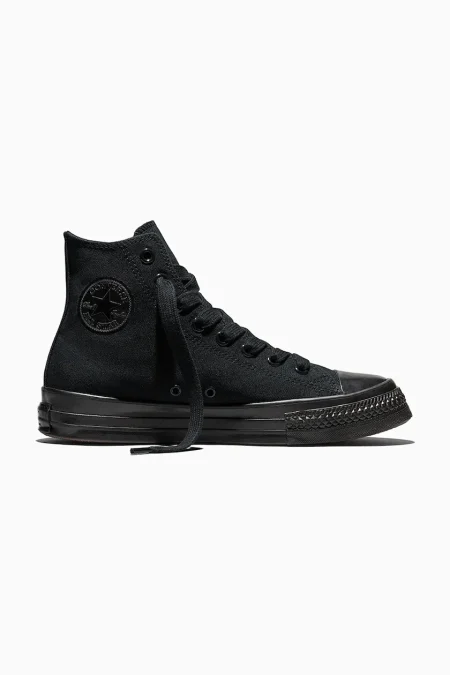
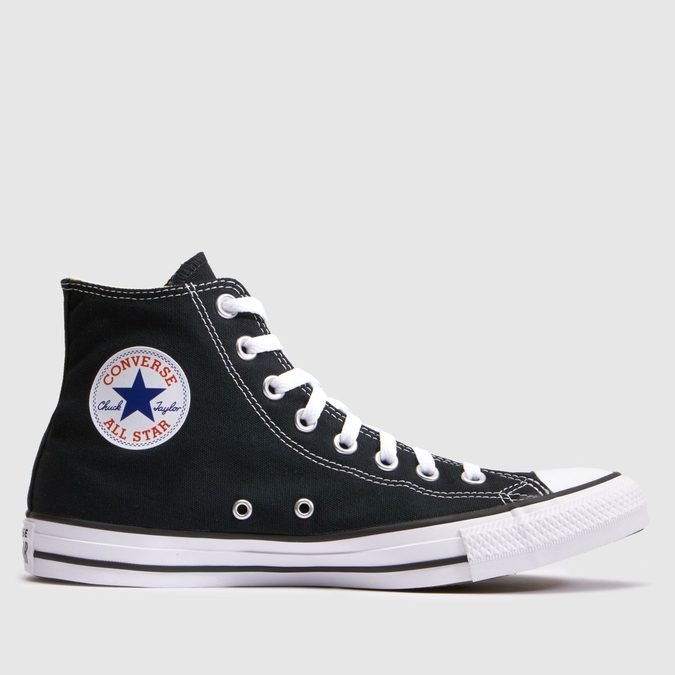
The table below summarizes the practical differences so you can choose based on how you actually wear your shoes.
| Feature | Chuck Taylor All Star | Chuck 70 |
|---|---|---|
| Canvas weight | Standard single-ply | Double-ply, more durable |
| Sole | Composite rubber, brighter white | Chunkier rubber, off-white finish |
| Cushioning | OrthoLite (modern versions) | OrthoLite with softer, more substantial feel |
| Break-in period | Shorter, softer out of the box | Longer, stiffer initially |
| Price point | Lower | Higher |
| Best for | Everyday casual wear, lighter use | Heavy rotation, durability, vintage aesthetic |
What happened next is the part that no marketing department could have engineered. From the 1960s onward, the shoe was adopted by youth subcultures, skaters, musicians, and anyone who wanted footwear that did not look like what their parents wore . It stopped being a basketball shoe and became a blank canvas for personal style. The V&A collection entry notes that the shoes retained a cool image due to cost, comfort, and options for customization, which is a polite way of saying they were cheap enough to personalize and sturdy enough to survive the process . That cultural positioning has outlasted every trend cycle since.
Sizing, Fit, and the Break-In Reality Nobody Warns You About
The most common mistake people make with black converse high tops is buying their true size. Converse sizing runs large, consistently and across models. A review of the Chuck 70 noted that the reviewer went a full size down and still found them snug, recommending a half size down next time . Another user observed that Converse tend to run large and that the toe box is narrow, which creates a frustrating combination for people with wider feet . The practical advice is to size down by at least half a size, and to try them on in person if the option exists.
Walk into any store that sells black converse high tops and you will likely face two options that look nearly identical but differ in ways that affect comfort, durability, and price. The standard Chuck Taylor All Star is the lighter, more affordable version. The Chuck 70 is a throwback build with a thicker canvas upper, a chunkier off-white rubber sole, and a more substantial OrthoLite insole . The price gap is meaningful, but so is the difference in how they feel after a long day.
The Chuck 70 also runs slightly differently in fit. Reviews consistently note that the Chuck 70 has a softer, more cushioned insole and stronger rubber than the standard All Star, but the sizing remains similarly generous . The canvas on the 70 is double-ply and more durable, which matters if you plan to wear them hard . The trade-off is weight: the 70 is heavier and stiffer out of the box, requiring a longer break-in period.
What happened next is the part that no marketing department could have engineered. From the 1960s onward, the shoe was adopted by youth subcultures, skaters, musicians, and anyone who wanted footwear that did not look like what their parents wore . It stopped being a basketball shoe and became a blank canvas for personal style. The V&A collection entry notes that the shoes retained a cool image due to cost, comfort, and options for customization, which is a polite way of saying they were cheap enough to personalize and sturdy enough to survive the process . That cultural positioning has outlasted every trend cycle since.
The break-in period is real, especially with the Chuck 70. The canvas starts stiff and the rubber sole needs flexing before it feels natural underfoot. A Google Shopping review noted that the canvas material can take some time to break in, but once it does, the shoe molds to your foot for a personalized fit . Wearing them around the house for short periods before committing to a full day is a sensible strategy, particularly if you have sensitive heels or a history of blisters from new shoes.
The high-top collar adds another fit variable. It should sit snug against the ankle without cutting off circulation, and the lacing tension matters more than with a low-top. Too loose and the shoe slips at the heel; too tight and the collar digs into the ankle bone. Finding the right tension takes a few wears, but once you dial it in, the high-top becomes genuinely supportive rather than constricting.
How to Style Black Converse High Tops Without Looking Like Everyone Else
The black converse high top is a styling chameleon, and the temptation is to default to jeans and a t-shirt. That works, but it is the least interesting option. InStyle’s roundup of Converse outfit ideas makes the case that the shoe’s slim silhouette and neutral color allow it to anchor everything from tailored suiting to sequined gowns . The key is proportion and contrast: the high-top cuts off at the ankle, so pairing them with cropped pants or cuffed jeans lets the shoe show properly rather than disappearing under a hem .
A scuffed-up black pair plays particularly well against softer, more feminine pieces. InStyle specifically notes that a worn-in black pair can breathe life into a boho outfit, and that the shoe adds edge to dainty garments like slip dresses or tulle skirts . For a more polished look, wide-leg trousers that drape over the top of the shoe create a clean line, while a blazer and jeans combination keeps the sneakers feeling intentional rather than lazy . The common thread is that black Chucks work best when they are clearly a choice, not a default.
The Problem-Solution Guide to Common Black Converse High Top Issues
The most frequent complaint about black converse high tops is comfort over long distances. The flat sole and minimal arch support are not designed for all-day walking on hard pavement, and reviewers have noted that the shoe is not very comfortable for long periods such as extended walks . The solution is an aftermarket insole with proper arch support, which transforms the shoe without changing its appearance. OrthoLite insoles are already present in modern versions, but upgrading to a firmer, more supportive insert makes a noticeable difference for anyone who walks or stands for hours .
The second common issue is the narrow toe box. Converse are not built for wide feet, and the canvas does not stretch as much as leather. The solution is to size up rather than down if width is the limiting factor, or to seek out wide-width versions where available. The Converse website lists certain models as available in wide widths, which is worth checking before assuming the standard fit will work . A third issue is the white rubber toe cap and midsole, which show dirt quickly. A magic eraser or a dedicated sneaker cleaner keeps them looking sharp, and the black canvas itself can be spot-cleaned with mild soap and a brush without fading.
Frequently Asked Questions About Black Converse High Tops
Do black Converse high tops run true to size?
No, they run large. The consistent advice from reviewers and wearers is to size down at least half a size, and some people go a full size down depending on their foot width and preference for snugness . The toe box is also narrow, so people with wider feet may need to size up rather than down, which creates a frustrating tension between length and width. Trying them on in person remains the safest approach.
How long do black Converse high tops last?
With regular wear, a pair typically lasts one to three years before the canvas or sole shows significant wear. One reviewer reported wearing a Chuck 70 pair for about four years with frequent use, noting that they held up well . The standard All Star is less durable than the Chuck 70 due to the lighter canvas and composite sole, so heavy rotation will shorten the lifespan. The black colorway hides scuffs and stains better than lighter colors, which extends the period before they look worn out.
Are black Converse high tops good for wide feet?
They are not ideal for wide feet in the standard width. The canvas upper has limited stretch and the toe box is narrow, which can create pressure points for people with broader feet . The solution is to look for wide-width versions where available, or to size up and accept a slightly longer fit in exchange for more room across the forefoot. An aftermarket insole can also help by filling volume and improving support without adding pressure.
What is the difference between Chuck Taylor All Star and Chuck 70 black high tops?
The Chuck 70 is a heavier, more durable build with double-ply canvas, a chunkier off-white rubber sole, and softer cushioning . The standard All Star is lighter, more affordable, and closer to the original silhouette. The Chuck 70 requires more break-in time but holds up better under heavy wear, while the standard version is easier to wear straight out of the box. The choice depends on whether you prioritize durability or immediate comfort.
How do I clean black Converse high tops without ruining the canvas?
Use a soft brush, mild soap, and cold water. Scrub the canvas gently in circular motions, rinse with a damp cloth, and let them air dry away from direct heat. For the white rubber toe cap and midsole, a melamine sponge or a dedicated sneaker cleaner works well. Avoid machine washing, which can warp the sole and break down the canvas adhesive. Spot cleaning is sufficient for most marks, and the black canvas is forgiving enough that a little dirt reads as character rather than damage.
Conclusion
The black converse high top has survived for over a century because it does not try to be anything other than what it is. The canvas, the rubber, the ankle patch, the diamond tread: none of it is complicated, and none of it needs to be. What makes the shoe worth buying today is the same thing that made it worth buying in 1960: it is a neutral, durable, genuinely versatile sneaker that works with more of your wardrobe than almost anything else in the same price range.
The final insight worth carrying into the purchase is about honesty in sizing and intention in styling. Buy the half size down, accept the break-in period, and treat the shoe as a deliberate part of the outfit rather than a default. A pair of black Chucks that fits properly and is worn with purpose looks like a choice. The same pair bought in the wrong size and thrown on with whatever is closest looks like exactly that. The shoe has not changed in a hundred years, but how you wear it still makes all the difference.