
The old money outfits aesthetic has dominated style conversations for years now, and it refuses to fade for a simple reason: it solves a problem that fast fashion created. When every trend cycle demands a new purchase and every logo screams for attention, the idea of dressing with quiet, generational confidence feels almost rebellious. It is a style built on restraint, quality, and the kind of ease that suggests you have never had to try too hard .
But the gap between the Pinterest board and the actual closet is wider than most people expect. The old money outfits look is not about buying a specific brand or copying a celebrity. It is a philosophy of dressing that prioritizes fabric over flash, fit over novelty, and longevity over the dopamine hit of a new trend. Understanding that philosophy is the difference between looking like you raided a costume shop and looking like you simply got dressed.
What Old Money Outfits Actually Are Beneath the Label
At its core, the old money outfits aesthetic is a visual language of inherited comfort. It draws from American Ivy League style, the preppy codes of the mid-twentieth century, and the minimalist elegance of figures like Carolyn Bessette-Kennedy and Jackie Kennedy . The look communicates that you belong without needing to announce it. Logos are minimal or absent entirely. Colors stay in a neutral family. Silhouettes are tailored but never tight.
The distinction between old money style and quiet luxury matters here. Quiet luxury is the fashion industry’s term for the same instinct: understated branding, elevated basics, and materials that justify their price through craftsmanship rather than advertising . Old money is the broader cultural narrative, the lifestyle and mannerisms that accompany the wardrobe. For practical purposes, the old money outfits you build will be quiet luxury in practice, but the mindset is what makes them read as authentic rather than imitative.
A useful test for any potential purchase is to imagine it in a photograph from thirty years ago and thirty years from now. A camel cashmere crewneck passes. A neon logo hoodie does not. The aesthetic rewards pieces that exist outside the trend cycle, which is precisely why it has proven so durable even as the social media conversation around it shifts .
The Core Pieces That Build Every Old Money Wardrobe
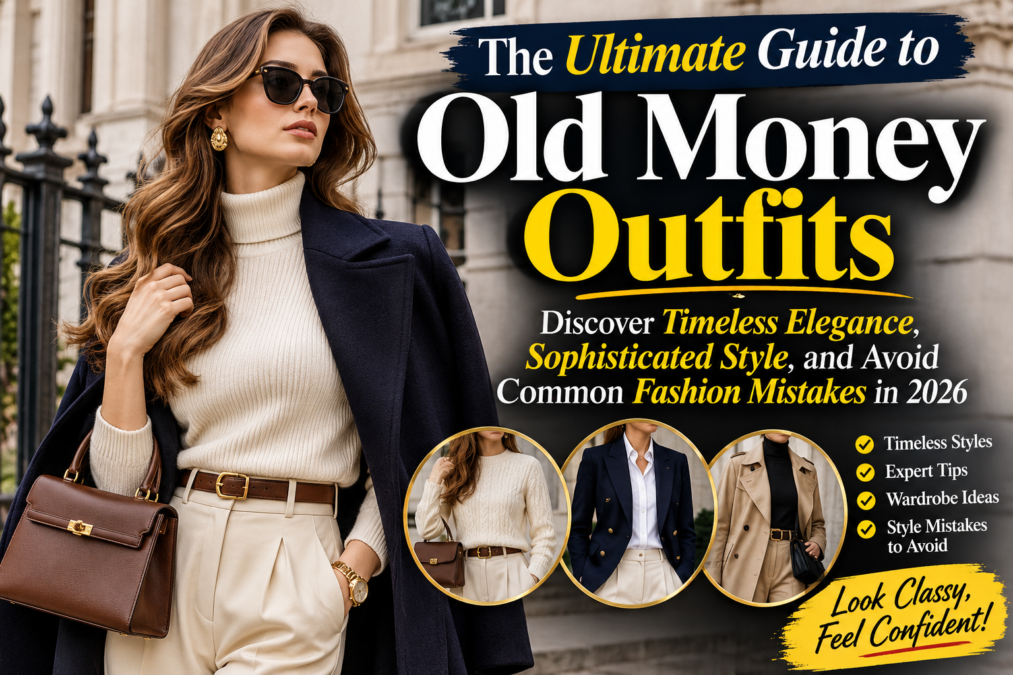
The old money outfits foundation rests on a surprisingly short list of garments. A crisp white button-down is non-negotiable, whether worn alone with tailored trousers or layered under a blazer . A well-cut blazer, navy or tweed or herringbone, does more work than any other single piece in the wardrobe. Tailored trousers in neutral tones replace jeans for most occasions. A cashmere or fine-knit sweater in camel, grey, or navy covers the cooler months. And a classic trench coat or tailored overcoat anchors the outerwear category .
But the gap between the Pinterest board and the actual closet is wider than most people expect. The old money outfits look is not about buying a specific brand or copying a celebrity. It is a philosophy of dressing that prioritizes fabric over flash, fit over novelty, and longevity over the dopamine hit of a new trend. Understanding that philosophy is the difference between looking like you raided a costume shop and looking like you simply got dressed.
What separates an old money wardrobe from a generic business casual wardrobe is not the categories but the specifications. The blazer should be structured but not stiff, with a shoulder that sits naturally rather than padded into a triangle. The trousers should skim the leg without gripping it, and the fabric should drape rather than cling. The button-down should have a collar that rolls properly, the kind that Ralph Lauren has been perfecting since the late 1960s . These are small details that most shoppers never notice until they see the difference in a mirror.
The shoe category deserves its own attention. Loafers, particularly penny loafers in brown or black leather with thin soles and rounded toes, are the signature footwear of the aesthetic . Ballet flats and simple leather sandals cover the warmer months. The rule that disqualifies most options is visible hardware or chunky soles, both of which date quickly and pull the outfit toward a different, louder register . A single pair of well-maintained loafers will outlast five pairs of trend-driven sneakers.
How to Solve the Most Common Old Money Outfit Problems
The first problem most people encounter is the temptation to buy the aesthetic rather than build it. A number of labels have launched in recent years with old money in their marketing, and several sell polyester blends at cashmere prices . The solution is to read the composition label before the brand name. Wool, silk, cashmere, linen, and structured cotton are the fabrics that make the look read as expensive. Anything synthetic or overly shiny undermines the entire premise . A Uniqlo oxford shirt and a merino crewneck will carry the look while you save for the jacket .
The second problem is fit. Old money outfits are not oversized in the way that streetwear is oversized, and they are not skinny in the way that 2010s fast fashion was skinny. They are tailored. A blazer that pulls across the chest or trousers that pool at the ankle read as careless, not relaxed. The solution is to budget for alterations. Even an off-the-rack garment from an accessible brand can be elevated with minor adjustments that suit your specific anatomy . A tailor is the least glamorous and most effective investment in this wardrobe.
But the gap between the Pinterest board and the actual closet is wider than most people expect. The old money outfits look is not about buying a specific brand or copying a celebrity. It is a philosophy of dressing that prioritizes fabric over flash, fit over novelty, and longevity over the dopamine hit of a new trend. Understanding that philosophy is the difference between looking like you raided a costume shop and looking like you simply got dressed.
The third problem is context. A heavy tweed suit photographed in a magazine spread looks elegant in October and miserable in a humid climate. The old money outfits approach adapts to the environment rather than forcing a look that does not fit the weather. In warmer settings, linen button-ups, lightweight chinos, and unlined blazers replace the wool and tweed . The philosophy stays the same; the fabric weights change. Looking disheveled because you are sweating is the opposite of the effortless confidence the aesthetic promises.
The Ultimate Guide to Old Money Outfits: Discover Timeless Elegance, Sophisticated Style, and Avoid Common Fashion Mistakes in 2026
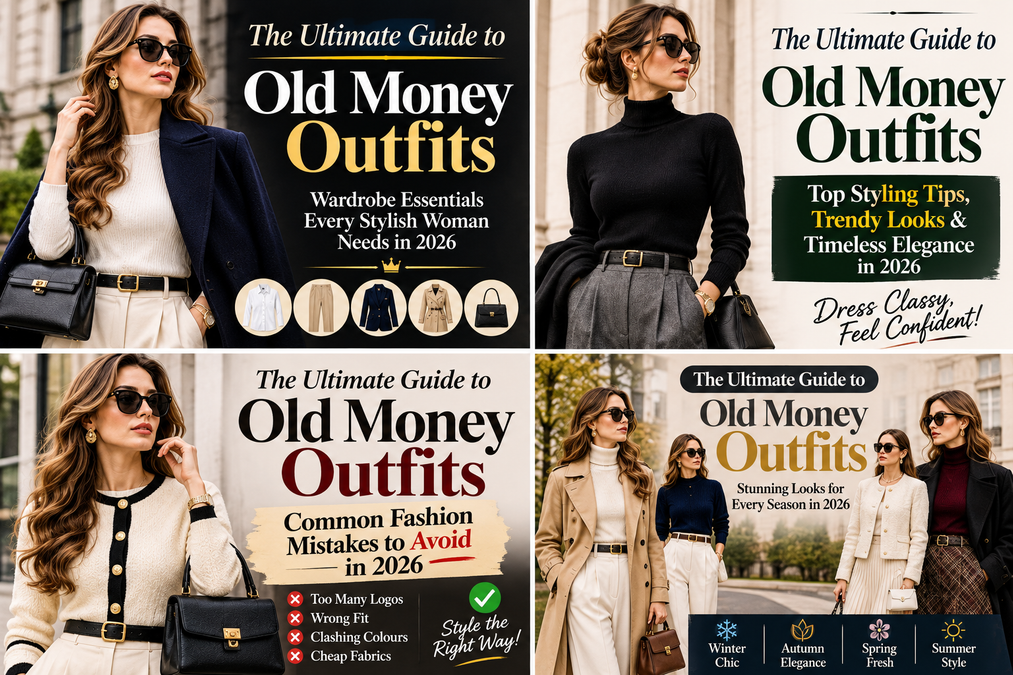
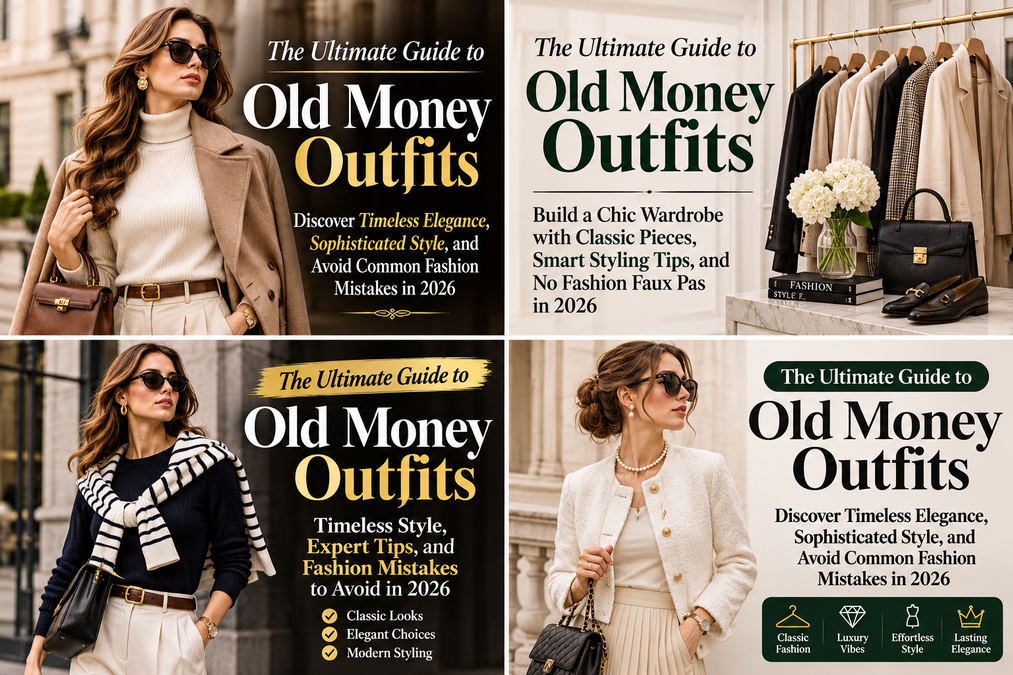
Old money outfits represent timeless elegance, understated luxury, and effortless sophistication. This fashion aesthetic focuses on classic clothing, neutral colours, premium-looking fabrics, and beautifully tailored pieces rather than flashy logos or expensive-looking accessories. In 2026, old money fashion continues to attract attention because it offers a polished appearance that never goes out of style. From elegant trousers and cashmere jumpers to structured blazers and classic coats, these outfits create a refined wardrobe suitable for different occasions.
Building an old money wardrobe does not necessarily require spending a fortune on designer brands. The secret is choosing versatile clothing that looks sophisticated and can be styled in multiple ways. Neutral shades such as beige, cream, navy, white, brown, and black are essential for achieving this aesthetic. Well-fitted shirts, tailored trousers, elegant skirts, loafers, leather handbags, and minimalist jewellery can help create beautiful outfits without unnecessary spending. Investing in quality basics also makes it easier to maintain a consistent and fashionable appearance throughout the year.
One of the biggest advantages of old money outfits is their versatility. You can create elegant everyday looks, professional office outfits, sophisticated weekend styles, and stunning evening combinations using a relatively small collection of clothing. For example, pairing a cream sweater with tailored trousers and loafers creates a classic appearance, while a neutral blazer with straight-leg jeans offers a modern smart-casual look. Understanding colour combinations, clothing proportions, fabric choices, and accessories can help you develop a personal style that feels both comfortable and luxurious.
However, achieving the perfect old money aesthetic requires avoiding common fashion mistakes. Wearing oversized clothing without proper structure, combining too many colours, choosing poor-quality fabrics, or overusing visible designer logos can make an outfit look less refined. Instead, focus on clean silhouettes, simple accessories, proper fitting, and timeless designs. Whether you are refreshing your wardrobe or exploring a completely new fashion style, this ultimate guide will help you discover timeless elegance, build sophisticated outfits, and embrace the old money aesthetic with confidence in 2026.
A Practical Reference for Building Your Old Money Outfit Rotation
The table below summarizes the core pieces, their specifications, and the common mistakes that undermine the look. It is not a shopping list but a framework for evaluating what you already own and what genuinely needs adding.
| Wardrobe Category | What to Look For | What to Avoid |
|---|---|---|
| Blazer | Structured shoulder, natural drape, navy or tweed | Stiff padding, oversized fit, visible logos |
| Button-down shirt | Crisp cotton, proper collar roll, white or light blue | Clingy synthetic blends, busy prints |
| Trousers | Tailored or wide-leg, wool or cotton, neutral tones | Skinny fits, excessive distressing, loud colors |
| Knitwear | Cashmere or merino, camel or grey or navy, fine gauge | Chunky synthetic blends, novelty patterns |
| Shoes | Leather loafers, ballet flats, thin soles, rounded toes | Chunky lug soles, visible hardware, neon accents |
| Outerwear | Trench coat, camel coat, charcoal or navy | Puffer jackets, technical fabrics, bold logos |
| Accessories | Leather belt matched to shoes, simple watch, pearls | Statement jewelry, oversized logos, trend pieces |
The accessory row is where most people either elevate or undo the entire outfit. A single strand of pearls, a thin gold watch, or a leather belt that matches the shoes is sufficient . A stack of beaded bracelets and a logo-covered handbag fight the aesthetic rather than complement it. The goal is for someone to notice you look put together without being able to name a single thing you are wearing.
But the gap between the Pinterest board and the actual closet is wider than most people expect. The old money outfits look is not about buying a specific brand or copying a celebrity. It is a philosophy of dressing that prioritizes fabric over flash, fit over novelty, and longevity over the dopamine hit of a new trend. Understanding that philosophy is the difference between looking like you raided a costume shop and looking like you simply got dressed.
The 2026 Shift Toward Relaxed Minimalism
The old money outfits look is evolving, and the 2026 iteration is softer and more relaxed than the preppy version that dominated feeds a few years ago. The shift is toward the minimalism of the 1990s, with Carolyn Bessette-Kennedy replacing Jackie Kennedy as the primary reference point . That means clean lines, pared-back shapes, and a kind of casual elegance that works in everyday life rather than only in country club settings. The pieces are the same; the styling is less formal.
For men, the shift is similar. John F. Kennedy Jr.’s approach, which paired tailored suits with caps, printed vests, and interesting sneakers, is the reference for a looser interpretation of the aesthetic . The old money outfits for men do not have to be sterile. A grey flannel trouser and a cashmere crewneck are the foundation, but a clean white leather sneaker and a simple watch finish the look without requiring a tie . The goal is quality and coherence, not formality for its own sake.
But the gap between the Pinterest board and the actual closet is wider than most people expect. The old money outfits look is not about buying a specific brand or copying a celebrity. It is a philosophy of dressing that prioritizes fabric over flash, fit over novelty, and longevity over the dopamine hit of a new trend. Understanding that philosophy is the difference between looking like you raided a costume shop and looking like you simply got dressed.
The 1980s influence is also creeping in, with slightly bolder blazer and trouser silhouettes appearing in the aesthetic’s orbit . Pronounced shoulders and balloon trousers are not for everyone, and they require confidence to wear without looking like a costume. But the broader point is that the old money outfits framework is flexible enough to absorb new silhouettes as long as the materials and the restraint stay intact. A bold shape in a quiet fabric reads as considered. A quiet shape in a loud fabric reads as fast fashion.
Frequently Asked Questions About Old Money Outfits
What defines an old money outfit?
An old money outfit is defined by understated quality rather than visible branding. The core markers are neutral colors, premium natural fabrics like wool, cashmere, silk, and linen, tailored fits that skim rather than grip, and minimal or absent logos . The look communicates inherited comfort and effortless polish, which is why it favors timeless pieces over trend-driven ones. A camel cashmere sweater, tailored trousers, and leather loafers are a more accurate representation of the aesthetic than any logo-heavy designer piece.
Can you achieve old money outfits on a budget?
Yes, though it requires patience and prioritization. The aesthetic is about fabric and fit, not brand names. Accessible brands like Uniqlo, Charles Tyrwhitt, and J.Crew offer the basic shapes, and a tailor can adjust an inexpensive blazer to fit properly . Thrift and vintage shopping is particularly effective for this look because older garments were often made with better materials. The key is to avoid the costume tier of labels that market themselves as old money while selling synthetic fabrics at inflated prices.
What colors are associated with old money style?
The old money outfits palette is built on neutrals that never argue with each other: navy, camel, cream, ivory, charcoal, soft grey, and black . A pop of color is permitted, but it should be muted and intentional rather than loud. Burgundy, olive, and rust work within the framework. Neon, primary brights, and busy multi-color prints do not. The logic is that neutrals layer effortlessly and photograph well, which is why the aesthetic has proven so durable across decades and seasons.
Do old money outfits require designer brands?
No, and assuming they do is one of the most common mistakes. The old money outfits look is about the impression of quality, not the label inside the collar. A well-fitted blazer from an accessible brand in a good fabric will read as more authentically old money than an ill-fitting designer piece in a synthetic blend . The brands most associated with the aesthetic, like Ralph Lauren, Brooks Brothers, Loro Piana, and Brunello Cucinelli, earned that association through consistent quality and heritage, not through logos . You can replicate the effect without replicating the price tag.
How does old money style differ from quiet luxury?
The terms overlap but are not identical. Quiet luxury is a fashion industry term for the trend of understated, high-quality clothing with minimal branding . Old money is the broader cultural narrative that includes the wardrobe but also encompasses mannerisms, taste, and the implication of inherited wealth . In practice, an old money outfit is an expression of quiet luxury, but the aesthetic carries a specific cultural reference that quiet luxury does not. The distinction matters less for getting dressed than for understanding why the look resonates the way it does.
Conclusion
The old money outfits philosophy is ultimately a argument for buying less and choosing better. The blazer that fits properly, the cashmere sweater that softens with wear, the loafers that mold to your feet over years rather than weeks: these are the pieces that make the aesthetic work. They are also the pieces that most fast fashion cannot replicate, because the entire business model depends on you replacing them before they have a chance to become yours.
But the gap between the Pinterest board and the actual closet is wider than most people expect. The old money outfits look is not about buying a specific brand or copying a celebrity. It is a philosophy of dressing that prioritizes fabric over flash, fit over novelty, and longevity over the dopamine hit of a new trend. Understanding that philosophy is the difference between looking like you raided a costume shop and looking like you simply got dressed.
The final insight worth carrying into your closet is about restraint. The old money outfits look is not achieved by adding more. It is achieved by removing what does not belong: the logos, the trends, the pieces that were bought for a moment rather than a decade. What remains is a wardrobe that does not need to announce itself, because the quality and the fit do the talking. That is the quiet confidence the aesthetic has been selling all along, and it is available to anyone willing to trade quantity for care.