
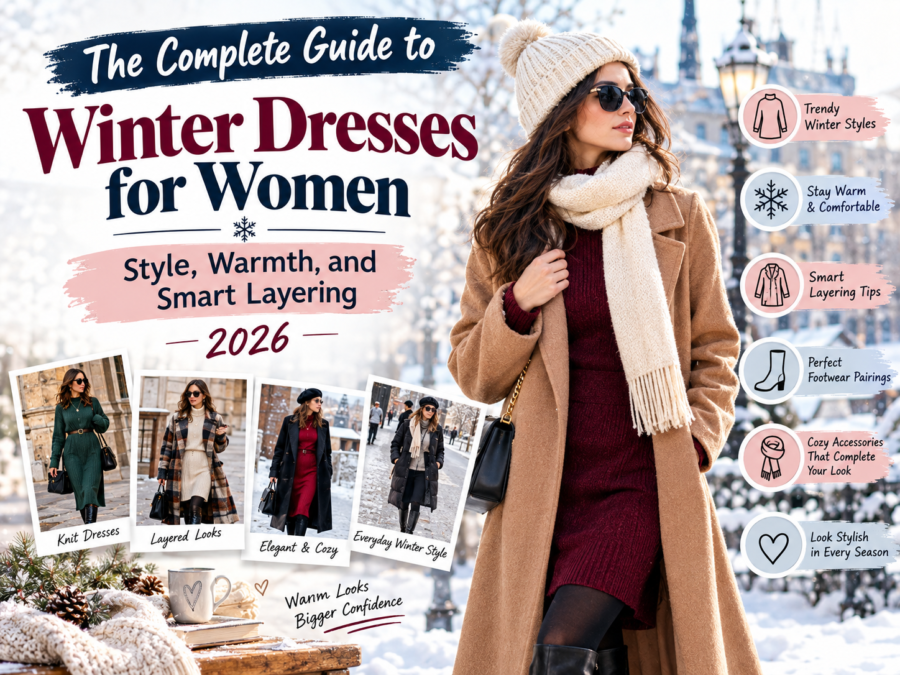
When the temperature drops, the instinct to retreat into jeans and heavy sweaters is understandable. But abandoning dresses entirely for half the year means missing out on some of the most elegant, comfortable, and surprisingly practical options in your wardrobe. The right winter dresses for women solve a genuine problem: how to stay warm without sacrificing the polish and ease that a dress provides.
This guide is built on practical experience and textile knowledge. It walks through the fabrics that actually insulate, the silhouettes that work with heavy layers rather than against them, and the styling techniques that transform a summer dress into a winter staple. Whether you are dressing for a formal winter wedding, a casual weekend outing, or a demanding office environment, the information here is designed to help you build a cold-weather dress rotation that genuinely functions.
The winter dress has evolved far beyond the basic sweater dress. Designers now offer wool blends that regulate temperature, leather that blocks wind, and velvet that adds luxe texture to the darkest months. Understanding how these materials behave and how different cuts interact with tights, boots, and coats is the key to making dresses work all season long.
Defining Winter Dresses: What Separates Them From Summer Frocks
Winter dresses are garments specifically designed or adapted for cold-weather wear, typically featuring heavier fabrics, longer sleeves, and construction that accommodates layering. They differ from summer dresses not just in material weight but in cut and coverage. A winter dress usually has a higher neckline, longer sleeves, and a length that provides warmth to the legs, whether through tights or the fabric itself reaching midi or maxi proportions.
The distinction matters because not every dress translates across seasons. A lightweight cotton sundress worn in January will leave you cold regardless of how many layers you add underneath. A wool-blend midi, by contrast, provides insulation as its primary function while still looking refined. The best winter dresses for women are those that combine thermal properties with a silhouette that works with boots and outerwear rather than fighting them.
Fabric is the defining variable. Wool, cashmere, velvet, ponte knit, and leather all appear in cold-weather collections because they trap heat, resist wind, or provide structure. Lighter fabrics like cotton, linen, and basic jersey can still work in winter, but only when layered strategically and paired with insulating accessories. Understanding which category a dress falls into prevents the common mistake of buying something beautiful that sits unworn until spring.
The Fabric Science Behind Genuinely Warm Dresses
Merino wool is arguably the gold standard for winter dress fabric. It has a natural crimp in its fibers that traps body heat in air pockets, keeping you warmer for longer. It is also breathable, which helps regulate temperature when you move between cold outdoor air and heated indoor spaces, and moisture-wicking, drawing sweat away from your skin so you stay dry and comfortable . Merino can absorb up to thirty percent of its weight in moisture while still insulating, a property that synthetic fabrics struggle to match.
Cashmere offers a lighter, softer alternative to standard wool while still delivering excellent insulation. Its fibers are finer and more delicate, which makes it feel luxurious against the skin, but it also requires more careful handling. Cashmere blends with viscose or modal add durability and reduce cost without sacrificing much warmth. For dresses that sit close to the body, like turtleneck sweater dresses, cashmere or a cashmere-merino blend is often the most comfortable choice.
Velvet and heavy ponte knits serve a different purpose. Velvet provides a plush texture that traps air and feels substantial, making it ideal for evening wear and holiday occasions. Ponte, a thick double-knit fabric, holds its shape well and provides structure, which is why it appears frequently in tailored winter dresses and sheath silhouettes. Both fabrics resist the clinginess that thinner materials develop when worn over tights, a practical detail that matters more than most shoppers realize.
| Fabric | Warmth Level | Best For | Layering Ease | Care Considerations |
|---|---|---|---|---|
| Merino Wool | High | Base and mid-layers, everyday wear | Excellent | Gentle wash, air dry |
| Cashmere | High | Luxury everyday, turtlenecks | Excellent | Hand wash or dry clean |
| Velvet | Moderate to High | Evening, occasions, holidays | Moderate | Steam, avoid pressing |
| Ponte Knit | Moderate | Tailored workwear, structure | Good | Machine washable |
| Leather | High (wind-blocking) | Edgy everyday, city wear | Moderate | Wipe clean, condition |
| Flannel/Flannelette | Moderate | Casual, relaxed days | Good | Machine washable |
| Tencel/Cupro Blends | Moderate | Layering, breathable warmth | Excellent | Gentle wash |
The Essential Winter Dress Silhouettes
The sweater dress is the most recognizable winter silhouette, and for good reason. A well-made knit dress in merino, cashmere, or a quality blend provides warmth and comfort in a single garment, eliminating the need to coordinate a top and bottom. The 2026 versions prioritize elevated details like high necks, long sleeves, and luxurious yarns, while avoiding dated elements like bell sleeves and exaggerated flared hems . Longer lengths, from midi to ankle, are particularly practical because they allow you to layer thermal tights or leggings underneath without any visible bulk.
The shirt dress offers a different kind of versatility. In denim, flannel, or checked cotton, it functions as a casual everyday piece that pairs easily with boots and a heavy cardigan. A shirt dress in a heavier fabric can be worn open over a turtleneck and trousers, or buttoned and belted as a standalone outfit. The structure of the collar and placket gives it a polished quality that works in casual offices and weekend settings alike.
Wrap and A-line silhouettes deserve particular attention for their flattering properties and layering potential. Wrap dresses create a nipped-in waist that prevents heavy winter fabrics from looking boxy, while A-line cuts skim over the hips and leave room for layers underneath. For pear-shaped figures, A-line, fit-and-flare, and wrap styles are consistently recommended because they cinch the waist and flow away from the hips rather than clinging . These shapes also work better with knee-high boots, as the hem clearance prevents the awkward fabric-boot interaction that plagues straighter cuts.
Winter Dress Trends Shaping the 2026 Season
Espresso brown has emerged as the defining color for winter dresses, replacing the default black that dominates colder months. Warm, rich browns feel more inviting against winter light and pair beautifully with cream, camel, and gold tones. The color has staying power because it flatters a wide range of skin tones and reads as intentional rather than default . Pistachio green is another shade gaining momentum, versatile enough to transition from winter into early spring and flattering against both cool and warm complexions .
Texture is the other major story. Feather embellishments, lace overlays, and velvet finishes are appearing across price points, adding visual interest to silhouettes that might otherwise feel plain. Romantic lace in particular has strong momentum, with designers using it as a textural counterpoint to simple cuts . Leather dresses, whether in classic black or unexpected shades like mustard, offer a structured alternative to knitwear and provide genuine wind resistance, which makes them more practical than they first appear .
Drop-waist silhouettes continue to gain traction for their vintage-inspired proportions and the way they create movement while elongating the body. A drop-waist winter dress in a heavy fabric balances the volume of the skirt with a fitted bodice, and the lower waistline provides a flattering line when paired with tall boots . Cape dresses, with their attached or removable cape elements, offer an elegant solution for occasions that require a bit more coverage without the stiffness of long sleeves .
Layering Strategies That Actually Work
The most common mistake in winter dress styling is over-layering. Adding a bulky sweater over a dress, then a heavy coat on top, creates a silhouette that has lost all definition. The better approach is to think in terms of thin, functional base layers and structured outer layers. A fine-gauge turtleneck or thermal top worn under a sleeveless or short-sleeved dress adds warmth without adding bulk. Silk long underwear, which is thin, breathable, and surprisingly warm, works particularly well under dresses because it slides smoothly against outer fabrics .
Tights are the other foundation piece. Quality opaque tights in black, navy, or burgundy form the base for most winter dress outfits, but texture options like ribbed or cable-knit tights add visual interest without sacrificing warmth . Fleece-lined tights provide significantly more insulation than standard opaque styles and are worth seeking out for genuinely cold climates. For extra warmth, silk or thermal leggings worn under a midi or maxi dress can replace tights entirely without any visible difference.
Outerwear should complement the dress rather than hide it. A long wool coat worn open over a sweater dress shows the dress while still providing warmth on the sides. A leather jacket adds edge and blocks wind, making it a good choice for commutes . A structured blazer maintains clean lines better than a soft cardigan, which can bunch and distort the dress silhouette . The goal is to add layers that serve a thermal or structural purpose, not to pile on fabric for its own sake.
Footwear and Accessory Pairings for Cold Weather
Boots are the natural partner for winter dresses, but the height of the boot and the length of the dress need to work together. Knee-high boots create a sleek, unbroken line with midi dresses, especially when the boot and dress colors are close in tone. Ankle boots require more attention to the gap between the boot and the hem, as an awkward sliver of bare or thinly covered leg can look unintentional . Over-the-knee boots add drama and warmth, particularly when paired with shorter sweater dresses or tunics.
Accessories should enhance the look without overwhelming it. A structured handbag adds polish, while a soft tote feels more casual. A quality belt can define the waist over a heavy knit dress, creating shape where the fabric alone might not. A blanket scarf provides both warmth and a textural element, but it should be chosen with care. A scarf that is too bulky can swallow the neckline and distort the proportions of the dress. A finer gauge scarf, wrapped close to the neck, provides warmth without visual weight.
Jewelry offers a way to shift a winter dress from day to evening. Simple gold or silver hoops and a delicate necklace work for daytime, while a statement earring or a layered chain adds presence for evening occasions. Because winter fabrics tend to be matte and textured, metallic jewelry stands out more prominently than it does against summer prints, which means a little goes a longer way. Choosing one focal piece and letting the rest stay minimal usually produces a more sophisticated result.
Dressing for Specific Winter Occasions
Winter weddings present a particular challenge because the dress code often assumes warm weather elegance. The solution lies in fabric and coverage rather than sacrificing style. Velvet is the classic choice for winter wedding guest attire, offering warmth and a rich, celebratory texture that photographs beautifully. Silk, surprisingly, also works well in winter when layered properly, as it provides insulation without bulk and looks luxurious under evening lighting . A long-sleeved velvet or silk dress in a jewel tone paired with elegant boots or heels is appropriate for almost any winter ceremony.
Holiday parties and evening events call for a different register. Sequin dresses, which might feel excessive in other seasons, make perfect sense when the days are short and the lighting is dim. A sequined midi dress in a dark base color catches light without looking garish. Feather embellishments offer a softer kind of glamour, adding texture and movement without the full sparkle of sequins . For these occasions, the dress is the statement, so accessories should be edited down to a clutch, a simple heel, and minimal jewelry.
Everyday winter dressing, whether for work or weekends, benefits from dresses that prioritize function alongside style. A wool-blend shirt dress worn with thermal tights and ankle boots handles a commute and an office day without fuss. A ponte knit sheath dress provides structure and requires almost no styling effort beyond a blazer and boots. A relaxed flannel or jersey dress works for weekends, layered over a thermal top and paired with sneakers or casual boots. The through-line is simplicity: winter is not the season for complicated outfit construction.
Problem-Solution Guide for Common Winter Dress Challenges
Static cling is one of the most persistent annoyances of winter dress wearing. The dry air and synthetic tights create a perfect storm for fabric sticking to legs and undergarments. Anti-static spray applied to the inside of the dress and to tights before wearing solves this quickly. A light application of body lotion on the legs serves the same purpose and adds moisture to dry winter skin. Choosing dresses with natural fiber content, particularly wool or cotton blends, reduces static buildup compared to fully synthetic fabrics.
Sheerness in lighter-colored or thin winter dresses is another common problem. A nude slip worn underneath eliminates transparency without adding warmth that might cause overheating indoors. For dresses that are sheer through the skirt, a half-slip in a matching or nude tone works better than a full slip because it allows the upper body to remain breathable. Checking a dress against a bright light before purchasing prevents this problem entirely.
The gap between boots and hems creates an awkward visual break that can make an outfit look unfinished. The solution depends on the boot height. With ankle boots, tights in a color close to the boot create continuity. With knee-high boots, the dress hem should either overlap the boot top or stop well above it, avoiding a sliver of tights at the widest part of the calf. When in doubt, tights in the same color family as the boots and the dress create a seamless vertical line that lengthens the silhouette.
Caring for Winter Dresses So They Last
Winter dresses take more wear and tear than summer pieces. They are exposed to salt, slush, and moisture on commutes, then subjected to dry indoor heat that can dull colors and weaken fibers. Airing dresses out after wearing rather than washing them immediately extends their life and reduces the frequency of cleaning, which is especially important for wool and cashmere. Hanging a dress overnight in a well-ventilated area removes odors and allows moisture to evaporate without any intervention .
When cleaning is necessary, the method should match the fabric. Wool and cashmere dresses benefit from hand washing in cool water with a gentle detergent, or from professional dry cleaning when heavily soiled. Velvet should be steamed rather than ironed, as heat and pressure can crush the pile and leave permanent marks. Ponte and flannel can usually be machine-washed on a gentle cycle, but air drying is preferable to tumble drying, which can cause shrinkage and pilling .
Storage matters as much as cleaning. Heavy knit dresses should be folded rather than hung, as hanging can stretch the shoulders and distort the shape over time. Velvet should be stored folded or on padded hangers away from direct light, which can fade the pile. Seasonal dresses going into longer storage should be cleaned before being put away, as lingering oils and stains can set and become permanent. Cedar blocks or lavender sachets protect against moths without the harsh smell of chemical repellents.
Building a Functional Winter Dress Wardrobe
A practical winter dress rotation does not need to be large. Three to five well-chosen pieces can cover almost every cold-weather occasion when styled thoughtfully. The foundation is a neutral sweater dress in a quality wool or cashmere blend, long enough to wear with tights and boots, simple enough to accessorize for different settings. A second piece might be a tailored ponte or wool-blend sheath in a dark neutral, suitable for work and evening events with a change of accessories.
A patterned dress adds variety and personality. Plaid, houndstooth, or a subtle animal print in a winter weight provides visual interest without requiring complex styling. For occasions, a velvet or sequined dress in a jewel tone covers holiday parties and winter weddings. Finally, a casual option like a flannel shirt dress or a relaxed jersey knit handles weekends and informal outings.
The key is to choose pieces that work together with the same tights, boots, and outerwear. If every dress in your rotation pairs with black opaque tights and knee-high boots, getting dressed in the morning becomes almost effortless. The goal is not to have the most dresses but to have the right ones, each serving a clear purpose and each capable of being styled in multiple ways.
Frequently Asked Questions
What makes a dress suitable for winter?
A winter dress is defined by its fabric weight, coverage, and construction. Heavier materials like wool, cashmere, velvet, and ponte knit provide insulation, while longer sleeves and higher necklines reduce exposed skin. Length matters too, as midi and maxi hems allow for tights or leggings underneath without visible layering. The best winter dresses for women balance warmth with a silhouette that works with boots and outerwear.
Are sweater dresses warm enough for very cold weather?
Sweater dresses can be genuinely warm when made from quality materials like merino wool or cashmere. A dense knit in a midi or maxi length provides insulation for the torso and legs, and layering a thermal top underneath adds further warmth without bulk. For freezing temperatures, pairing a sweater dress with fleece-lined tights and knee-high boots creates an outfit that is warmer than many trousers-and-sweater combinations. The key is avoiding thin, loosely knit versions that let cold air through.
How do I stop tights from ruining the line of my dress?
The interaction between tights and dress fabric depends on both materials. Static is the main culprit, and it is easily managed with anti-static spray or a light application of lotion on the legs before dressing. Choosing tights with a high cotton or wool content rather than fully synthetic nylon reduces static and feels warmer. For dresses that cling, a half-slip worn underneath creates a smooth barrier that prevents the dress from sticking to the tights.
Can I wear a summer dress in winter with layering?
Yes, with the right approach. A summer dress in cotton or viscose can work in winter when worn over a thermal top, paired with thick tights, and topped with a heavy cardigan or coat. The dress becomes a mid-layer rather than the main garment, providing color and pattern while the base and outer layers handle warmth. Silk and lighter fabrics actually layer well because they are thin and do not add bulk. The limitation is length; a short summer dress paired with tights and boots works, but a maxi in a thin fabric may still feel cold on the legs.
What colors work best for winter dresses?
Darker colors like espresso brown, burgundy, deep green, and navy are traditional winter choices because they absorb and retain heat better than light colors . However, winter dressing does not require abandoning lighter shades entirely. Cream, camel, and soft grey work well in heavier fabrics and pair beautifully with darker accessories. Pistachio green is a current trend that bridges winter and spring . The most important factor is choosing colors that complement your existing boots and coats rather than buying a dress that requires an entirely new supporting wardrobe.
Conclusion
Winter dresses for women are not a compromise. They are a category of clothing with distinct advantages: they simplify getting dressed, they provide comfort and coverage, and they allow for a level of elegance that trousers and sweaters rarely achieve. The key is understanding which fabrics deliver warmth, which silhouettes accommodate layering, and how to build a small rotation of pieces that work together.
The final insight is this: winter dressing rewards preparation over impulse. A dress bought because it looks beautiful on a hanger, without consideration for how it will function with tights, boots, and a coat, rarely earns its place in the rotation. A dress chosen for its fabric weight, its layering compatibility, and its ability to transition across occasions becomes a piece you reach for again and again. Invest in wool, cashmere, and quality blends. Master the base layer. Choose boots that create a seamless line. Do these things, and the colder months will no longer be a season of sartorial retreat but an opportunity to dress with intention and warmth.