

Before you even look at a price tag or a brand, the most critical step in your journey is a candid assessment of your environment and how you move through it. A coat that is perfect for a Chicago winter will likely be overkill in a Seattle drizzle, and the lightweight trench that works beautifully in Karachi’s mild chill will offer little comfort in the biting cold of Quetta or Islamabad. Think about the primary purpose of this garment.
Winter Coats Women
Evaluating the climate is not just about temperature; it is about precipitation, wind, and humidity. A coat with a robust water-repellent finish and a hood is non-negotiable if you live in a region prone to sleet and rain, whereas a dense, wind-resistant fabric is key in areas known for gusty conditions. The concept of layering, a fundamental principle in outdoor apparel, becomes your secret weapon here. For milder winters, a well-made trench coat or a lined wool coat can be layered over a cashmere sweater to provide adaptable warmth. For colder climates, a down-filled parka with a high fill power rating offers exceptional warmth-to-weight ratio, trapping heat efficiently without the bulk of heavier, older-style coats.
The Core Anatomy of a Quality Winter Coat
Every great coat is a sum of its parts, and understanding these components is the key to distinguishing a high-quality investment piece from a fast-fashion flash in the pan. The outermost layer, the shell, is your first line of defense against the elements. For urban winters and wet climates, shells made from high-density synthetic fabrics like polyester and nylon blends are prized for their durability, water resistance, and ability to block wind. Cotton gabardine, the traditional fabric of the trench coat, is breathable and classic but requires a water-repellent treatment to handle a downpour effectively. Wool.
on the other hand, offers natural warmth, breathability, and a sophisticated drape, making it a favorite for tailored coats. The density of the wool weave—measured in grams per square meter—is a reliable indicator of its warmth and quality; a higher density means a tighter, warmer fabric that holds its shape season after season.
A coat with a lower fill weight of high-fill-power down can be just as warm as a heavier coat with a lower fill power. For those seeking a vegan alternative, modern synthetic insulations, such as PrimaLoft and other polyester-based fills, have become remarkably advanced. They mimic the loft and warmth of down, perform better in wet conditions, and are often more affordable and easier to clean, making them an excellent choice for those who prioritize ethics or a lower price point without sacrificing comfort.
Decoding the Icons: A Deep Dive into Coat Silhouettes
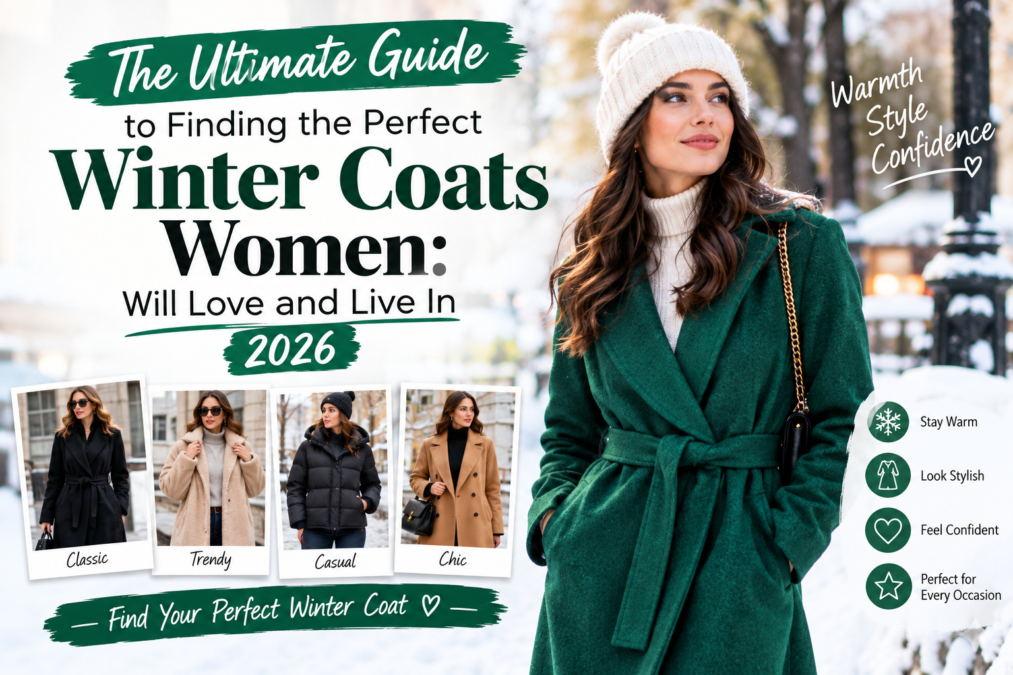
The world of winter coats women is rich with heritage styles, each with a distinct personality, history, and function. The puffer coat, once solely the domain of skiers and mountaineers, has evolved into a fashion staple available in every length and color imaginable. Its quilted construction, defined by horizontal or vertical stitching that holds the insulation in place, creates a distinctive pillowy texture. A longline puffer, often extending past the knee, is the ultimate in functional warmth, creating a personal microclimate that protects your legs from wind and cold.
When selecting a puffer, pay attention to the baffle construction—the way the fabric channels are sewn. Stitch-through baffles are lighter and more streamlined, while box-baffle construction eliminates cold spots but adds a bit of bulk. The key to wearing a puffer stylishly is to embrace its volume; balance it with slimmer-fitting trousers or leggings and a streamlined boot rather than fighting against its inherently relaxed silhouette.
For a more polished, timeless aesthetic, the tailored wool coat is an undeniable classic. This is the coat that instantly elevates any outfit, whether it is a pair of jeans and a cashmere turtleneck or a formal dress for an evening event. The structure of a wool coat—defined by its shoulder line, lapels, and often a defined waist—creates a sharp, elegant silhouette that flatters the body. A double-breasted style, with its overlapping front panels and two columns of buttons, offers a more authoritative and traditional look, while a single-breasted style is cleaner and more modern. The wrap coat, characterized by its belt and lack of buttons, is a softer, more effortless alternative.
It creates a beautiful, draped v-neckline that is universally flattering and is often made from softer, more fluid wool or cashmere blends. Stylist Ivy Coco Maurice swears by cashmere for its luxurious feel, noting that “it’s the ultimate fabric for staying warm while looking effortlessly stylish. There’s nothing quite like the soft, luxurious feel of cashmere against your skin” . A classic trench coat, with its iconic belted waist, storm flaps, and epaulets, remains the ultimate trans-seasonal piece. Modern versions are crafted from water-repellent cottons or bonded leathers, making them a chic shield against spring showers and autumn winds, and a stylish layer over a heavier sweater in milder winters.
The Fabric of Warmth: Material Science for the Everyday
For the ultimate in lightweight warmth, down and its synthetic counterparts are the technical champions. As discussed, down’s superior warmth-to-weight ratio makes it ideal for a coat that feels light as a feather but keeps you toasty in sub-zero temperatures. However, down loses its insulating ability when it gets wet, which is where synthetic fills have the advantage. Synthetic insulations, often made from recycled polyester, are hydrophobic, meaning they retain their warmth even in damp conditions.
They are also typically more affordable and easier to care for, often being machine washable. When evaluating a coat’s warmth, looking for a stated temperature rating can be helpful, but these are often based on ideal conditions with proper layering. A coat designed for “active use” will have a different temperature rating than a “city coat” meant for more stationary activities. For a balanced approach, consider a hybrid coat that pairs a water-resistant or waterproof shell with a synthetic or down-filled lining, offering the best of both worlds.
The Fit Factor: Ensuring Your Coat Works With Your Wardrobe
Length is another crucial consideration that affects both warmth and proportion. Petite women often find that longline coats, whether puffers or wool styles, can overwhelm their frame. If you are petite, a coat that hits at the hip or mid-thigh is often the most flattering and practical choice, allowing you to move freely without feeling swamped. For taller women, a full-length maxi coat or a duster-length trench can create a stunning, dramatic silhouette. A stylist’s tip for petite frames is to choose a coat with a defined waist, either through a belt or a tailored cut, as this creates a visual break that elongates the legs rather than creating a single block of fabric from shoulder to ankle.
The sleeve length is equally important. A sleeve that is too long will bunch at the wrist and expose your hands to the cold, while a sleeve that is too short will leave your wrists bare. If the sleeve is only slightly long, a tailor can easily shorten it, but if it is significantly too short, there may be no way to lengthen it, so this is a detail to scrutinize before purchasing.
Practicality Meets Style: Features That Define Excellence
The closure system is a detail that speaks to a coat’s quality and practicality. A high-quality two-way zipper is a hallmark of a well-made coat, allowing you to unzip from the bottom for increased mobility and ventilation when sitting or driving. A storm placket—a flap of fabric that covers the zipper—provides an extra barrier against wind and moisture. Snap closures or buttons over the zipper add another layer of security and can be stylish design elements. In terms of construction, examining the stitching is a quick way to gauge quality.
Even, dense stitching with no loose threads indicates careful craftsmanship. The lining should be smooth and substantial, not flimsy, and it should be securely attached. Seams should be finished, not raw, to prevent fraying over time. These are the quiet details that ensure your coat not only looks good on the rack but performs beautifully and lasts for seasons to come.
Caring for Your Investment: Maintenance and Longevity
Between cleanings, simple habits can prolong the life of your coat. Store your coat on a sturdy, wide-shouldered hanger to help it maintain its shape; wire hangers can distort the shoulders of a tailored coat. Avoid cramming your coat into a crowded closet, which can crush the loft of down and synthetic fills. For off-season storage, clean the coat thoroughly before putting it away to prevent stains from setting or attracting moths. Store it in a breathable cotton garment bag rather than a plastic one, which can trap moisture and cause mildew. A wool coat can benefit from a gentle brushing with a garment brush to remove surface dust and lint.
If your coat becomes soaked in rain or snow, hang it to dry at room temperature, away from direct heat sources like radiators or fireplaces, which can damage the fabric and insulation. Taking these small steps will ensure that your winter coats women wardrobe remains in excellent condition, ready to serve you for many winters.
Building a Curated Collection: Versatility and Personal Style
From there, you can add a coat for more specific needs. If you live in a region with harsh winters, a heavy-duty, weatherproof parka with a high fill power is an essential addition for the coldest, snowiest days. This is your coat for walking the dog, shoveling the driveway, or any activity that keeps you outdoors for an extended period. Conversely, a lighter, more fashion-forward coat—perhaps a statement trench in a bold color, a sleek leather coat, or a trendy cropped puffer—can serve as your “third piece” for milder days when you want to make a style statement without the bulk.
This coat is less about extreme warmth and more about expressing your personal style. By building a collection with intention, you ensure that you have a coat for every winter scenario, maximizing your wardrobe’s versatility and your overall comfort.
| Feature | Down Insulation | Synthetic Insulation | Wool |
|---|---|---|---|
| Warmth-to-Weight Ratio | Excellent (highest) | Good | Good |
| Performance When Wet | Poor (loses loft) | Excellent (retains warmth) | Fair |
| Breathability | Excellent | Good | Excellent |
| Care | Specialized (down detergent, dryer balls) | Easy (often machine washable) | Dry clean or gentle hand wash |
| Cost | High (for high fill power) | Moderate | Varies (high for 100% wool) |
| Ideal For | Dry, cold climates; lightweight warmth | Wet, cold climates; budget-conscious | Urban, transitional weather; dressy occasions |
The Smart Shopper’s Guide: Budgeting and Timing
Purchasing a winter coat is a significant financial decision, and being a smart shopper can make a high-quality coat accessible on almost any budget. The most important thing to understand is that cost is not always a direct reflection of warmth. You can find an incredibly warm, well-constructed coat from a reputable outdoor brand for a fraction of the price of a designer coat that may prioritize style over function. The key is to identify the features that matter most to you—be it a high fill power down, a waterproof shell, or a specific silhouette—and then prioritize those in your search. Sales are your best friend when coat shopping.
The best time to buy a winter coat is at the end of the season, typically in January and February, when retailers are clearing out inventory to make room for spring collections. You can find deep discounts on high-quality coats during these periods.
When evaluating the cost, consider the “cost per wear.” A $500 coat that you wear 100 times over five winters costs you just $1 per wear, making it a far better investment than a $100 coat that falls apart after one season. The quality of materials and construction directly impacts the longevity of the garment. A coat made from 100% wool with a fully lined interior and sturdy hardware will outlast a cheaper blend coat by years, if not decades. Think of a well-made coat as a long-term investment in your comfort and style.
It is also worth exploring different retailers. Outdoor specialty stores often carry technically superior coats designed for performance, while department stores and fashion boutiques offer a wider range of stylish options. Online marketplaces and resale platforms can also be excellent sources for finding high-quality, pre-owned coats from premium brands at a significant discount.
Frequently Asked Questions About Winter Coats Women
What is the warmest type of winter coat?
The warmest type of winter coat is generally a down-filled parka or puffer with a high fill power (typically 700 or above) and a durable, windproof, and water-resistant shell. The combination of high-loft down insulation, which traps body heat efficiently, and a protective outer layer creates a microclimate that can keep you warm in extreme cold. For wet climates, a high-quality synthetic-insulated parka with a waterproof shell is often a better choice, as it will retain its insulating properties even when damp. Features like a longer length, a hood, and a two-way zipper with a storm placket further enhance warmth by protecting vulnerable areas from the wind and cold.
How should a winter coat fit for layering?
A winter coat designed for layering should fit comfortably over a sweater or a lightweight jacket without feeling tight or restrictive. The rule of thumb is to have enough room to comfortably wear a medium-weight sweater underneath. The shoulder seams should sit at the edge of your shoulders, and you should be able to raise your arms without the fabric pulling. For a tailored wool coat, a slightly closer fit is acceptable if you plan to wear it over lighter layers.
What is the difference between down and synthetic insulation?
Down insulation is made from the soft, fluffy undercoating of ducks and geese, and it is prized for its exceptional warmth-to-weight ratio and breathability. Higher fill power indicates more loft and warmth. However, down loses its insulating ability when it gets wet. Synthetic insulation, on the other hand, is made from polyester fibers designed to mimic down’s structure.
How can I make a winter coat last longer?
To extend the life of your winter coat, proper care and storage are essential. Always follow the care label instructions, and avoid over-washing or dry cleaning, which can degrade the fabric and insulation. Spot-clean stains when they occur. When not in use, hang your coat on a wide, sturdy hanger to maintain its shape. Store it in a breathable garment bag in a cool, dry place away from direct sunlight.
What are the best winter coats women can wear for both style and warmth?
The best coat for balancing style and warmth depends on your personal aesthetic and climate. For a polished, urban look, a tailored wool coat in a classic neutral color offers timeless style and reliable warmth for mild to moderate winters. For a more casual yet chic option, a well-fitted mid-length puffer in a sleek fabric is both incredibly warm and easy to style with jeans or leggings. A trench coat made from a bonded wool or a water-repellent technical fabric can bridge the gap between formality and function.
Final Thoughts: Investing in Your Winter Well-Being
Selecting the right winter coat is an act of self-care. It is an investment in your daily comfort, your confidence, and your ability to fully engage with the world, even when the temperatures drop. The perfect coat does not have to be the most expensive or the most fashionable; it simply has to be the one that makes you feel both protected and powerful. It is the garment that you reach for without hesitation, knowing it will rise to the occasion, whether you are facing a blustery commute, a snowy walk, or a crisp evening out.
By understanding your needs, the science of insulation, and the nuances of fit and construction, you can navigate the vast market of winter coats women with clarity and purpose. The right coat is out there, waiting to become a trusted part of your seasonal story for years to come.