


Bringing a baby into the world is one of life’s most profound experiences, and among the many preparations that fill those final weeks of pregnancy, choosing the right newborn baby outfits often becomes a surprisingly emotional and practical task. Walk into any baby boutique or scroll through an online baby registry, and you will be met with an overwhelming array of onesies, sleepers, gowns, bodysuits, and matching sets, each promising comfort, style, and convenience. The truth is that not all baby clothing is created equal, and understanding the nuances of infant apparel can save you money, reduce frustration, and, most importantly, keep your baby safe and comfortable during those fragile first months.
This guide is designed for expectant parents, grandparents, caregivers, and anyone who wants to make informed decisions about dressing a newborn. Drawing on pediatric recommendations, textile science, and real-world parenting experience, this article covers everything from fabric selection and sizing systems to seasonal wardrobes and safety considerations. Whether you are building a baby registry, preparing a hospital bag, or shopping for a baby shower gift, the insights here will help you navigate the world of infant clothing with confidence and clarity.
Understanding Why Newborn Skin Demands Specialized Clothing
A newborn’s skin is not simply a smaller version of adult skin. It is significantly thinner, more permeable, and far less developed in its barrier function. The stratum corneum, which is the outermost layer of skin that protects against irritants and pathogens, takes several months after birth to fully mature. This means that chemicals, dyes, and rough fabrics that might cause only minor irritation in an adult can trigger significant reactions in a baby. Pediatric dermatologists frequently emphasize that the first twelve weeks of life represent a critical window for skin health, and what you put against your baby’s skin matters enormously.
Beyond skin sensitivity, newborns have immature thermoregulation systems. They cannot shiver effectively to generate heat, and their ability to sweat is limited. This makes them vulnerable to both overheating and chilling, sometimes within minutes of each other. Clothing therefore serves a dual purpose: it must protect against temperature fluctuations while remaining breathable enough to prevent heat rash and discomfort. The ideal newborn baby outfits strike a balance between insulation and ventilation, which is why fabric choice and layering strategy matter far more than most parents initially realize.
There is also the practical reality of frequent diaper changes and feeding sessions. A newborn may need a diaper change ten to twelve times per day, and each change involves undressing and redressing to some degree. Clothing that is difficult to remove or that requires pulling over the head repeatedly can become a source of stress for both parent and child. The design of infant clothing, from snap closures to envelope necklines, exists precisely to address these practical challenges. Understanding the reasoning behind these design features helps parents choose garments that genuinely work in real-life situations rather than just looking cute in photographs.
Decoding Newborn Clothing Sizes and What They Actually Mean
One of the most confusing aspects of shopping for newborn baby outfits is the sizing system. Unlike adult clothing, which uses relatively standardized measurements, infant sizing varies significantly between brands and often does not correspond to a baby’s actual age. A garment labeled “newborn” might fit a five-pound preemie loosely or be too tight for an eight-pound infant. The lack of universal standards means that parents must learn to read size labels critically and adjust expectations accordingly.
In general, newborn size is designed for babies weighing approximately five to eight pounds and measuring up to twenty-one inches in length. However, many babies are born larger than eight pounds, which means they may skip the newborn size entirely and go straight into zero-to-three-month clothing. Conversely, premature babies may need preemie sizing, which is designed for babies under five pounds. Understanding your baby’s expected birth weight, which your healthcare provider can estimate in the third trimester, helps you plan your initial wardrobe more accurately.
It is also worth noting that babies grow rapidly during the first few months. Most newborns outgrow the newborn size within two to four weeks, and some outgrow it even faster. This rapid growth means that investing heavily in any single size is rarely wise. Instead, experienced parents recommend having a small stash of newborn sizes on hand, perhaps seven to ten outfits, and then supplementing with larger sizes as the baby grows. This approach prevents the common scenario of having a drawer full of unworn clothing that no longer fits.
| Size Label | Typical Weight Range | Typical Age Range | Notes for Parents |
|---|---|---|---|
| Preemie | Under 5 lbs | Birth to 4 weeks | Often needed for NICU babies; limited availability |
| Newborn | 5–8 lbs | Birth to 4 weeks | Many babies outgrow this size quickly |
| 0–3 Months | 8–12 lbs | 1–3 months | Most reliable starting point for average-sized babies |
| 3–6 Months | 12–17 lbs | 3–6 months | Stock up gradually as baby grows |
| 6–9 Months | 17–21 lbs | 6–9 months | Often overlaps with 6–12 month sizing |
| 12 Months | 21–25 lbs | 9–12 months | Sizing varies widely by brand |
The table above illustrates the general ranges, but parents should always check individual brand size charts. Some European brands, for example, use height-based sizing rather than weight-based sizing, which can be more accurate for longer or shorter babies. The key takeaway is to treat size labels as guidelines rather than guarantees, and to prioritize adjustable or stretchy fabrics that accommodate a range of body types.
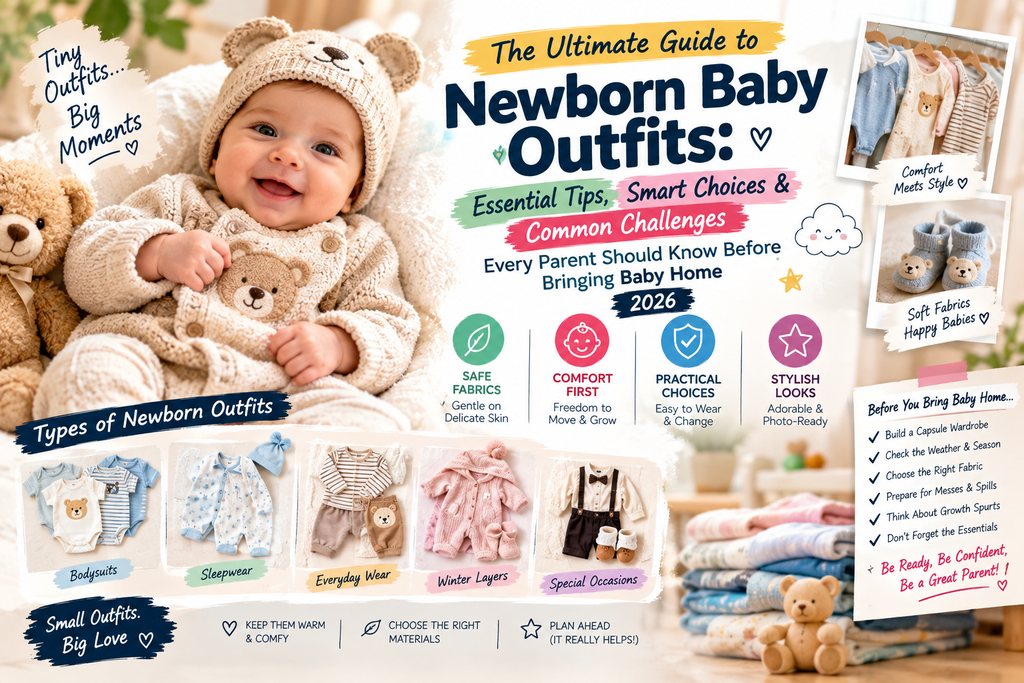
Fabric Selection: The Foundation of Safe and Comfortable Baby Clothing
When it comes to newborn baby outfits, fabric is arguably the single most important consideration. The wrong fabric can cause overheating, skin irritation, allergic reactions, or discomfort that keeps both baby and parents awake at night. The right fabric, on the other hand, supports healthy skin development, regulates temperature, and makes dressing and undressing easier for everyone involved.
Organic cotton is widely regarded as the gold standard for infant clothing. It is soft, breathable, hypoallergenic, and free from the pesticides and chemical treatments that can linger in conventionally grown cotton. The Global Organic Textile Standard (GOTS) certification ensures that a garment meets strict environmental and social criteria, including limits on toxic residues. For parents concerned about chemical exposure, GOTS-certified organic cotton is a reliable choice. However, it is worth noting that organic cotton tends to be more expensive, and not every family can afford to build an entire wardrobe from it. In that case, prioritizing organic cotton for the layers that touch the skin most directly, such as bodysuits and sleepers, makes practical sense.
Bamboo viscose is another popular option, prized for its silky softness and moisture-wicking properties. It feels cooler against the skin than cotton, which can be beneficial for babies born in warm climates or during summer months. However, bamboo fabric production involves chemical processing that raises environmental concerns, and some babies with extremely sensitive skin may react to residual chemicals. Look for bamboo lyocell, which uses a closed-loop solvent system, if sustainability is a priority.
Wool and wool blends deserve special mention for their temperature-regulating properties. Merino wool, in particular, is fine, soft, and capable of absorbing moisture vapor without feeling damp. It is an excellent choice for winter babies or for families in cooler climates. However, wool can be irritating for some babies, and it requires careful washing to avoid shrinking. Synthetic fabrics such as polyester and acrylic are generally best avoided for direct skin contact because they trap heat and moisture, increasing the risk of overheating and diaper rash. If synthetics are used, they should be limited to outer layers that do not touch the skin directly.
The Essential Newborn Wardrobe: What You Actually Need
New parents are often inundated with advice about what to buy, and much of that advice leads to overbuying. The reality is that newborns need far fewer clothes than most people expect. Because babies grow so quickly and because laundry can be done frequently, a streamlined wardrobe is not only sufficient but actually preferable. It reduces decision fatigue, saves money, and ensures that every item gets worn before it is outgrown.
A practical newborn wardrobe typically includes seven to ten bodysuits or onesies, four to six sleepers or footed pajamas, two to three gowns or sleep sacks for nighttime, one or two going-home outfits, and a handful of accessories such as hats, socks, and mittens. This might seem like a small number, but consider that a newborn may go through three to four outfits in a single day due to spit-up, diaper leaks, and blowouts. Having seven to ten bodysuits means you can go several days between laundry loads without running out.
It is also important to distinguish between daytime and nighttime clothing. During the day, a simple bodysuit paired with pants or a sleep sack is often sufficient. At night, a footed sleeper or a gown with an elastic bottom makes midnight diaper changes easier. Gowns are particularly useful in the first few weeks because they allow you to change a diaper without fully undressing the baby, which minimizes disruption to sleep. As your baby grows and starts to move more, you will transition to sleepers with legs and eventually to separate tops and bottoms.
Safety Standards and What to Look For in Infant Apparel
Safety is a non-negotiable aspect of choosing newborn baby outfits. The Consumer Product Safety Commission (CPSC) and similar regulatory bodies in other countries have established guidelines for infant clothing, but not all manufacturers adhere to the same standards. Parents should be aware of potential hazards such as loose buttons, snaps that can detach, drawstrings around the neck, and flammable fabrics.
Drawstrings are particularly dangerous because they can pose a strangulation risk. The CPSC recommends that infant clothing have no drawstrings at the neck or waist. If a garment does have a drawstring, it should be removed or replaced with a safer closure. Similarly, buttons and snaps should be securely attached and tested by tugging gently before the garment is worn. Any clothing with loose embellishments, such as beads, sequins, or appliqués, should be avoided altogether for newborns, as these can detach and become choking hazards.
Flammability is another consideration. In the United States, children’s sleepwear is required to be either flame-resistant or snug-fitting. Snug-fitting sleepwear is generally preferred because it eliminates the need for chemical flame retardants, which have been linked to health concerns. Look for sleepwear labeled as “snug-fitting” and ensure that it fits properly, as loose-fitting garments are more likely to catch fire. The American Academy of Pediatrics recommends that parents choose snug-fitting sleepwear made from natural fibers and avoid loose blankets, pillows, and stuffed animals in the sleep environment.
Seasonal Considerations for Newborn Baby Outfits
The season in which your baby is born significantly influences the type of clothing you will need. A summer baby has different requirements than a winter baby, and understanding these differences helps you build a wardrobe that keeps your little one comfortable without overdoing it.
Summer babies need lightweight, breathable fabrics that wick moisture away from the skin. Short-sleeved bodysuits, muslin swaddles, and lightweight sleep sacks are ideal. It is a common misconception that babies need to be bundled up even in hot weather. In fact, overheating is a serious risk for newborns, and studies have linked overheating to an increased risk of Sudden Infant Death Syndrome (SIDS). A good rule of thumb is to dress your baby in one more layer than you would wear yourself in the same environment. If you are comfortable in a t-shirt, your baby is likely comfortable in a bodysuit and a light sleep sack.
Winter babies, on the other hand, need insulation without bulk. Layering is the key strategy here. Start with a soft cotton bodysuit as a base layer, add a fleece or wool sleeper, and top with a sleep sack or bunting for outdoor trips. Hats are essential for newborns because they lose a significant amount of heat through their heads. However, hats should not be worn indoors during sleep, as they can slip over the face and pose a suffocation risk. Mittens can prevent scratching, but they should be removed during awake time to allow for tactile exploration, which is important for sensory development.
Spring and autumn babies fall somewhere in between. These seasons often require flexible clothing that can be layered or removed as temperatures fluctuate throughout the day. Cotton sleepers, lightweight cardigans, and adjustable sleep sacks work well. It is always better to err on the side of less clothing rather than more, because you can always add a layer if your baby seems cold. Signs of overheating include flushed cheeks, sweating, and rapid breathing. Signs of being too cold include cool hands and feet, though it is worth noting that newborns often have cool extremities even when their core temperature is normal.
The Role of Clothing in Sleep Safety and Comfort
Sleep is one of the most important aspects of newborn care, and clothing plays a direct role in sleep safety. The American Academy of Pediatrics recommends that babies sleep on their backs, on a firm surface, with no loose bedding, pillows, or toys. Clothing should be snug-fitting and should not ride up over the face. Sleep sacks and wearable blankets are preferred over loose blankets because they cannot be kicked off or pulled over the head.
The tog rating system, which originated in Europe, measures the thermal insulation of sleepwear. A 0.5 tog sleep sack is suitable for warm rooms and summer months, while a 2.5 tog sleep sack is appropriate for cooler temperatures. Understanding tog ratings helps parents choose the right sleepwear for their baby’s room temperature, which should ideally be kept between 68 and 72 degrees Fahrenheit (20 to 22 degrees Celsius). Overdressing a baby for sleep is a common mistake that can lead to overheating and discomfort.
Beyond safety, comfortable clothing promotes better sleep for both baby and parents. A baby who is itchy, too warm, or restricted by tight clothing will wake more frequently, which means parents also lose sleep. Soft, seamless designs with flatlock stitching reduce the risk of chafing and irritation. Tagless labels, which are printed directly onto the fabric rather than sewn in, eliminate the scratchy tags that often bother babies. These small design details make a significant difference in overall comfort and can mean the difference between a peaceful night and a restless one.
Practical Design Features That Make Life Easier
The best newborn baby outfits are those that combine safety, comfort, and practicality. Several design features are worth prioritizing when building your wardrobe, and understanding their purpose helps you make informed choices.
Envelope necklines, also known as lap shoulders, are a hallmark of well-designed infant bodysuits. These overlapping shoulder flaps allow you to pull the garment down over the baby’s body rather than over the head, which is invaluable during diaper blowouts. Instead of wrestling a soiled onesie over your baby’s face, you can simply pull it downward and off. This feature alone can save parents from some of the messiest moments of early parenthood.
Snap closures, particularly those along the inner leg, make diaper changes faster and less disruptive. Some parents prefer zippers for their speed, but zippers can pinch skin if not carefully designed with a protective flap. Magnetic closures are another innovative option, offering quick and quiet access, though they tend to be more expensive. Whatever closure system you choose, test it before relying on it in the middle of the night. Fumbling with unfamiliar fasteners at 3 a.m. is a recipe for frustration.
Footed sleepers with built-in socks eliminate the need for separate booties that inevitably fall off. However, footed sleepers can become too warm if the room is not cool enough, and they can be awkward during diaper changes if the zipper or snaps do not extend all the way down the leg. Convertible footies, which have fold-over cuffs that can be turned into feet or left open, offer versatility across seasons and growth stages. Similarly, fold-over mittens on long-sleeved bodysuits prevent scratching without the need for separate mittens that get lost in the laundry.
How to Build a Baby Registry That Prioritizes Quality Over Quantity
Baby registries are wonderful tools for helping friends and family support new parents, but they can also become overwhelming. The key to a successful registry is to prioritize quality over quantity and to focus on items that will genuinely be used in the first three months. When it comes to newborn baby outfits, registering for a curated selection of well-made pieces is far more valuable than registering for dozens of trendy items that may never be worn.
Start by identifying the brands that align with your values and budget. Some brands specialize in organic cotton basics, while others focus on innovative designs or budget-friendly multipacks. Read reviews from other parents, paying attention to comments about sizing accuracy, fabric durability, and washability. A garment that shrinks or fades after one wash is not a bargain, no matter how inexpensive it was. Look for brands that offer consistent sizing across their product lines, as this makes it easier to predict what will fit.
Consider registering for a range of sizes rather than focusing solely on newborn size. Many experienced parents recommend registering for clothing in sizes zero-to-three months and three-to-six months, with only a small selection of newborn-size items. This approach ensures that you have clothing ready as your baby grows, reducing the need for last-minute shopping trips. It also prevents the disappointment of receiving dozens of newborn outfits that your baby outgrows before wearing them all.
Caring for Newborn Clothing: Washing, Storage, and Longevity
Proper care extends the life of baby clothing and protects your baby’s sensitive skin. Newborn clothing should be washed before first use to remove any manufacturing residues, dyes, or chemicals that may remain on the fabric. Use a gentle, fragrance-free detergent that is specifically formulated for baby laundry. Harsh detergents, fabric softeners, and dryer sheets can leave behind residues that irritate the skin and reduce the absorbency of fabrics.
Washing baby clothes separately from adult clothing is a good practice, especially during the newborn period. Adult clothing may carry bacteria, allergens, or harsh chemicals that can transfer to baby garments. Use a gentle cycle with cold or warm water, and avoid overloading the machine, which can prevent proper rinsing. If your baby has particularly sensitive skin, consider running an extra rinse cycle to ensure that all detergent is removed.
Drying baby clothes on low heat or hanging them to dry helps preserve fabric integrity and prevents shrinkage. High heat can damage elastic, shrink cotton, and break down fibers over time. Store clean baby clothes in a dry, dust-free area. Avoid storing them in plastic bags, which can trap moisture and lead to mildew. Instead, use breathable cotton storage bins or drawers. If you are storing clothing for a future sibling, use vacuum-sealed bags sparingly and only for items that are completely clean and dry.
Common Mistakes Parents Make When Buying Newborn Clothing
Even well-intentioned parents often make mistakes when shopping for newborn baby outfits. Recognizing these common pitfalls can save you time, money, and frustration. One of the most frequent mistakes is buying too many clothes in the newborn size. As mentioned earlier, many babies outgrow this size within weeks, leaving parents with a drawer full of unworn garments. It is far better to have a smaller selection of newborn clothes and more clothing in larger sizes.
Another common mistake is prioritizing style over function. Those tiny jeans with buttons and zippers may look adorable, but they are impractical for a newborn who needs frequent diaper changes and spends most of the day sleeping. Similarly, dresses and outfits with multiple layers may be cute for a photo session but are rarely worn in daily life. Comfort and ease of use should always come first, especially in the first three months.
Parents also sometimes overlook the importance of seasonality. A baby born in July does not need heavy fleece sleepers, and a baby born in January does not need shorts and tank tops. While it is tempting to buy clothing on sale regardless of the season, doing so often results in a closet full of items that cannot be worn when they are needed. Instead, buy for the current season and the next size up, and adjust as the seasons change.
Understanding the Emotional and Psychological Dimensions of Baby Clothing
Clothing is not just functional; it is also deeply emotional. The outfit you choose to bring your baby home in becomes a cherished keepsake. The onesie your baby wore during their first smile, the hat they wore on their first walk, the sleeper they wore the night they finally slept through the night—these items carry memories that parents treasure for years. This emotional dimension is part of what makes shopping for newborn baby outfits so meaningful and, at times, so overwhelming.
There is also a psychological benefit for parents themselves. Preparing a wardrobe for a baby is a tangible way of preparing for parenthood. It is a nesting behavior that helps expectant parents feel more in control and more connected to the baby they have not yet met. Choosing soft, safe, beautiful clothing is an act of care that resonates on a deep level. It is okay to indulge in a few special pieces that bring joy, even if they are not strictly necessary. The key is to balance emotional purchases with practical ones.
For grandparents and friends, giving baby clothing is a way of expressing love and support. If you are buying for someone else, consider including a note about why you chose a particular item. Maybe the fabric reminded you of a favorite childhood blanket, or the color matched the nursery theme. These personal touches transform a simple garment into a meaningful gift that the parents will remember.
Sustainability and Ethical Considerations in Baby Clothing
As awareness of environmental and social issues grows, many parents are seeking sustainable and ethically made baby clothing. The fashion industry is one of the largest contributors to pollution and waste, and baby clothing is no exception. Because babies outgrow clothes so quickly, the turnover rate is high, which makes sustainable choices both more challenging and more important.
One approach is to embrace hand-me-downs and secondhand clothing. Baby clothes are often worn for such a short time that they remain in excellent condition. Accepting gently used clothing from trusted friends and family reduces waste and saves money. It also avoids the environmental cost of producing new garments. If you are buying secondhand, inspect items carefully for safety hazards such as loose buttons or worn elastic, and wash everything thoroughly before use.
When buying new, look for brands that prioritize ethical production and sustainable materials. Certifications such as GOTS, Fair Trade Certified, and OEKO-TEX Standard 100 provide assurance that a garment meets specific environmental and social criteria. OEKO-TEX, in particular, tests for harmful substances and is a useful indicator of safety for baby skin. While sustainable clothing often costs more upfront, it tends to be higher quality and more durable, which can make it more economical in the long run.
The Evolution of Newborn Clothing Across Cultures
Different cultures have different traditions and expectations around newborn clothing, and understanding these differences can enrich your perspective. In many Asian cultures, for example, there is a strong emphasis on keeping a baby’s abdomen warm to prevent digestive issues. This belief influences clothing choices, with parents often choosing garments that cover the belly securely. In some Middle Eastern and South Asian cultures, babies are dressed in layers regardless of the weather, with the belief that warmth promotes health and protects against illness.
In Western cultures, the emphasis tends to be on convenience and safety, with a strong preference for bodysuits, sleepers, and sleep sacks. The concept of the “going-home outfit” is particularly prominent in the United States, where parents often choose a special outfit for the baby’s first journey from the hospital to home. In Scandinavian countries, babies frequently nap outdoors in strollers even in cold weather, which necessitates warm, insulated clothing and sleeping bags.
These cultural differences remind us that there is no single “correct” way to dress a newborn. What matters most is that the clothing is safe, comfortable, and appropriate for the environment. Parents can learn from different traditions and adopt practices that work for their family and climate.
Expert Perspectives on Infant Clothing and Development
Pediatricians, dermatologists, and child development experts have weighed in extensively on the topic of infant clothing. Their insights provide a foundation of evidence that helps parents make informed decisions. Dr. Tanya Altmann, a pediatrician and author, has noted that “babies’ skin is thinner and more sensitive than adults’, so choosing soft, breathable fabrics is essential to prevent irritation and overheating.” This sentiment is echoed by dermatologists who recommend avoiding synthetic fabrics and harsh detergents.
Developmental psychologists emphasize the importance of allowing babies to move freely. Clothing that is too restrictive can inhibit movement and limit opportunities for exploration. From a developmental standpoint, babies need to kick, stretch, and wiggle to build muscle strength and coordination. Clothing that allows for a full range of motion supports this process. This is one reason why sleep sacks and loose-fitting gowns are often preferred over tight swaddles that restrict movement for extended periods.
Lactation consultants and feeding specialists also weigh in on clothing choices. They recommend garments that allow easy access to the chest for breastfeeding or bottle-feeding. Nursing-friendly tops and robes for parents, and easy-to-open clothing for babies, make feeding sessions smoother and less stressful. When a baby is fussy and hungry, the last thing a parent wants is to struggle with complicated fasteners.
Troubleshooting Common Problems with Newborn Clothing
Even with the best planning, problems arise. A baby may develop a rash from a new detergent, a favorite sleeper may shrink in the wash, or a zipper may break at an inconvenient moment. Having strategies for troubleshooting these issues can make the newborn period more manageable.
If your baby develops a rash, the first step is to identify the cause. Switch to a fragrance-free, dye-free detergent and rinse all clothing thoroughly. Remove any new garments and reintroduce them one at a time to isolate the culprit. If the rash persists, consult your pediatrician. For shrinkage, always check care labels and wash in cold water. If a garment has already shrunk, it may still fit a smaller baby or can be repurposed as a doll outfit or keepsake.
Broken zippers and snaps are frustrating but often repairable. Some manufacturers offer repair services or replacements, so it is worth contacting customer service. In the meantime, safety pins can serve as a temporary fix, but they should be used with caution and removed before sleep. If a garment is beyond repair, consider whether it can be upcycled into something else, such as a burp cloth or a small quilt square.
How to Choose the Going-Home Outfit
The going-home outfit is a special garment that marks the transition from hospital to home. It is often photographed and preserved as a keepsake, so many parents want it to be both practical and meaningful. The ideal going-home outfit should be comfortable, weather-appropriate, and easy to put on and take off. It should also be something that the baby can wear in the car seat safely.
For car seat safety, avoid bulky clothing that can interfere with harness straps. A thin bodysuit and a light sleeper or sleep sack are ideal. Heavy coats and bunting should not be worn under the harness; instead, drape a blanket over the baby after the harness is secured. This ensures that the harness fits snugly against the baby’s body, which is critical for safety in the event of a crash.
Many parents choose a special outfit that reflects their personal style or cultural heritage. Some families incorporate heirloom pieces, such as a christening gown or a blanket passed down through generations. Others opt for a simple, modern outfit that reflects their everyday aesthetic. There is no right or wrong choice, as long as the outfit is safe and comfortable for the baby.
Building a Capsule Wardrobe for Your Newborn
A capsule wardrobe is a curated collection of versatile pieces that can be mixed and matched to create multiple outfits. For newborns, a capsule wardrobe simplifies dressing, reduces clutter, and ensures that every item is used. The concept is particularly appealing for parents who want to minimize decision fatigue during a demanding period.
A newborn capsule wardrobe might include five bodysuits in neutral colors, three sleepers, two gowns, one cardigan, two hats, and a sleep sack. These items can be combined in various ways to suit different temperatures and occasions. Neutral colors make it easy to mix and match, while a few accent pieces add visual interest. The goal is not to have a different outfit for every day but to have a system that works reliably.
When building a capsule wardrobe, prioritize quality over quantity. A few well-made pieces that wash well and retain their shape are more valuable than a large collection of poorly constructed garments. Look for timeless designs that can be handed down or passed along. Avoid trendy prints and colors that may feel dated in a few months. Classic stripes, dots, and solid colors tend to have more staying power.
The Role of Technology in Modern Baby Clothing
Technology has influenced baby clothing in several ways, from innovative fabrics to smart monitoring garments. While traditional cotton and bamboo remain popular, some brands are incorporating phase-change materials that regulate temperature, antimicrobial treatments that reduce odor, and moisture-wicking fibers that keep skin dry. These technologies can be beneficial, but they also raise questions about chemical exposure and long-term safety.
Smart baby clothing, such as onesies with built-in sensors that monitor breathing, heart rate, and sleep patterns, has gained attention in recent years. These garments can provide peace of mind for anxious parents, but they are not a substitute for safe sleep practices. The American Academy of Pediatrics cautions that consumer monitors have not been proven to prevent SIDS and may actually increase parental anxiety. Parents should use them as supplemental tools rather than relying on them exclusively.
When considering technology-enhanced clothing, weigh the benefits against the potential drawbacks. If a garment is comfortable, safe, and genuinely useful, it may be worth the investment. If it adds complexity or cost without clear benefit, it may be better to stick with simpler options. The goal is always to support the baby’s health and development, not to keep up with the latest gadget.
Final Thoughts on Dressing Your Newborn
Choosing newborn baby outfits is a task that blends practicality, safety, and emotion. It is about protecting delicate skin, ensuring comfort, and preparing for the countless small moments that define early parenthood. While the options can feel overwhelming, the principles are straightforward: prioritize soft, breathable fabrics, choose safe designs, buy less than you think you need, and adjust as you learn what works for your baby.
Every baby is different, and what works for one family may not work for another. Some babies love the snugness of a swaddle, while others prefer the freedom of a sleep sack. Some parents swear by zippers, while others prefer snaps. The best approach is to start with a small, flexible wardrobe and adapt as you go. Trust your instincts, seek advice from experienced parents and healthcare providers, and remember that perfection is not the goal. Comfort, safety, and love are what matter most.
As you embark on this journey, take a moment to appreciate the small joys. The first time you dress your baby in a tiny outfit, the softness of the fabric against your fingertips, the way they curl up in your arms—these are the moments that stay with you. Clothing is just one small part of the larger story of welcoming a new life, but it is a part that you can approach with care, confidence, and a little bit of wonder.
FAQs
What is the best fabric for newborn baby outfits?
The best fabric for newborn baby outfits is generally organic cotton, particularly GOTS-certified organic cotton. It is soft, breathable, hypoallergenic, and free from harmful chemicals. Bamboo viscose is a good alternative for warm climates, while merino wool is excellent for cold weather. Avoid synthetic fabrics like polyester for direct skin contact, as they trap heat and moisture.
How many newborn baby outfits do I actually need?
Most parents need about seven to ten bodysuits, four to six sleepers, two to three gowns, and a few accessories like hats and socks. This amount allows for frequent changes without requiring daily laundry. It is wise to have only a small selection in newborn size, as babies outgrow it quickly, and more clothing in zero-to-three-month and three-to-six-month sizes.
Should I wash newborn clothes before the baby wears them?
Yes, all newborn clothing should be washed before first use. Manufacturing residues, dyes, and chemicals can remain on new garments and irritate a baby’s sensitive skin. Use a gentle, fragrance-free detergent and wash separately from adult clothing. An extra rinse cycle can help remove any remaining detergent.
What should a baby wear home from the hospital?
A baby should wear a comfortable, weather-appropriate outfit home from the hospital. A thin bodysuit and a light sleeper or sleep sack are ideal. Avoid bulky clothing under car seat harnesses, as it can interfere with proper fit. Instead, drape a blanket over the baby after the harness is secured. The outfit should be easy to put on and take off.
How can I tell if my baby is too hot or too cold in their clothing?
A good rule is to dress your baby in one more layer than you would wear in the same environment. Signs of overheating include flushed cheeks, sweating, and rapid breathing. Signs of being too cold include cool hands and feet, though newborns often have cool extremities even when comfortable. Check the back of the baby’s neck or their chest to gauge core temperature.


